
How can I ensure optimal airflow in different sections of my store?

Mastering Airflow: Creating the Perfect Store Atmosphere with HVAC
In the vibrant heart of Montreal, where commerce thrives and shopping experiences are crafted with precision, the atmosphere of a retail store plays a crucial role. At AirGreen, we understand that the essence of a memorable shopping experience lies not only in the products on the shelves or the store’s design aesthetics. It also involves the invisible yet tangible element of air circulation. How can you ensure optimal airflow in different sections of a store? Let’s embark on this breezy journey.
The Science Behind Airflow in Retail Spaces
Before diving into solutions, it’s essential to grasp the fundamental principles of airflow in commercial spaces:
- Temperature Consistency: It’s vital to maintain a steady temperature throughout every corner of the store. No customer wants to suddenly move from a warm area to a cold one.
- Air Quality: Beyond temperature, the purity and freshness of the air matter. Proper airflow ensures contaminants are kept at bay.
- Energy Efficiency: Efficient airflow means the HVAC system isn’t overworking, leading to energy savings.
Strategies to Achieve Optimal Airflow
-
Zoning Systems: Just as different sections of a store serve various needs, airflow should be tailored accordingly. Zoning systems allow customized temperature settings in different parts of the store.
- Pro Tip: High-traffic zones may require more cooling or heating due to customers’ body heat.
-
Regular Duct Maintenance: Over time, ducts can accumulate dust and debris. Regular cleaning ensures unobstructed airflow and better air quality.
- Did You Know? A clean duct system can reduce energy consumption by up to 20%.
-
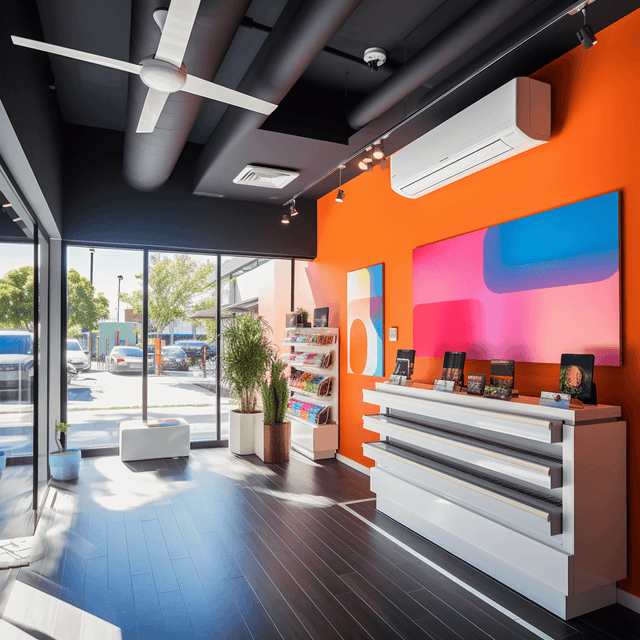
Strategic Placement of Vents: Vents should be placed in areas that ensure even air distribution. Avoid placing them near doors or windows to prevent air loss.
-
Ceiling Fans: A subtle addition, ceiling fans can help with air circulation, especially in large stores. They also add an aesthetic touch!
-
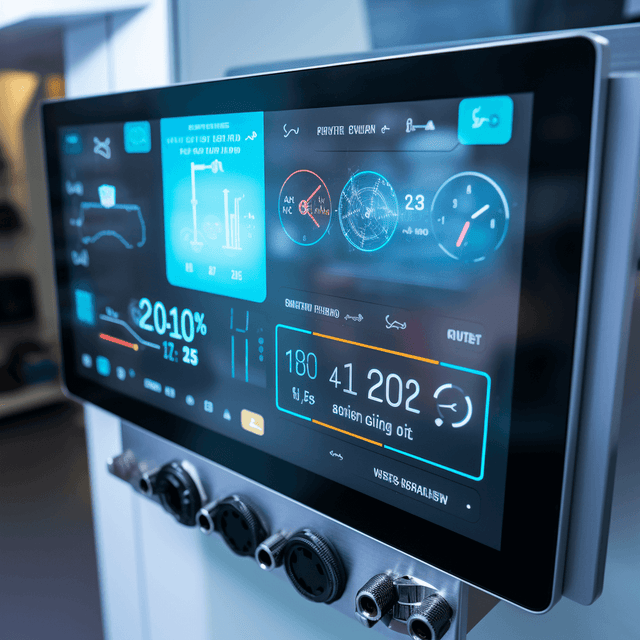
Advanced Thermostat Controls: Modern thermostats can adjust airflow based on the time of day and occupancy levels. This ensures optimal comfort and energy efficiency.
The Lighter Side of Airflow
Imagine shopping for a cozy winter sweater and suddenly feeling a gust of cold air. It’s almost like the store is giving a live demo of the sweater’s warmth! Or trying on summer clothes with a gentle warm breeze that transports you to a tropical beach. While these scenarios are exaggerated, they highlight the importance of perfect airflow. It’s not just about comfort; it’s about creating an experience.
Beyond Airflow: Creating Holistic Experiences
While airflow is an important element, the overall vision includes:
- Humidity Control: Especially in cities like Montreal, controlling humidity can make or break the shopping experience.
- Noise Levels: A quiet HVAC system ensures customers aren’t distracted by constant humming or sudden noises.
- Sustainability: In an eco-conscious world, an energy-efficient HVAC system speaks volumes about a store’s commitment to sustainability.
In Conclusion: Bringing Retail Spaces to Life
Airflow, often overlooked, is the silent maestro orchestrating a symphony of comfort, ambiance, and experience in retail spaces. At AirGreen, we are proud to be trusted partners of retailers, ensuring they showcase their products while we perfect the atmosphere. After all, in the world of retail, it’s the finest details that elevate the good to the exceptional.

From reading to your building.
An AirGreen advisor assesses your building on site and gives you a detailed quote.
Commercial requests: sales@airgreen.ca- RBQ licence 5645-9605-01Subclasses 15.8, 15.10 and 16
- $5M liability insuranceOn every job
- 15+ yearsFamily-owned, based in Montréal