
The AirGreen magazineNovember 2026
Air conditioning service
Summer 2026: These 5 Air Conditioning Trends That Are Shaking Up the Montreal Market
Anticipate the future of air conditioning in Montreal with the 5 trends that will revolutionize the industry by 2026. AirGreen helps you adopt greener, more cost-effective solutions.
By the AirGreen team4 min read

Anticipation and Innovation: What’s Ahead for Montreal’s Air Conditioning Market by 2026
As summer 2026 approaches, Montreal, Laval, Longueuil, and the South Shore’s air conditioning market is undergoing an unprecedented transformation. As summer temperatures continue to rise, consumers are increasingly seeking more efficient, environmentally-friendly, and cost-effective cooling solutions. At AirGreen, we are at the forefront of this revolution, offering HVAC solutions tailored to the specific needs of our clients. Discover the five trends currently reshaping the air conditioning industry in Montreal and shaping the future of thermal comfort.
-
The Rise of Low-Consumption Reversible Heat Pumps
One of the major trends observed in recent years, and which is expected to continue growing until 2026, is the adoption of low-consumption reversible heat pumps. These devices, capable of heating in the winter and cooling in the summer, are gaining popularity due to their exceptional energy efficiency.
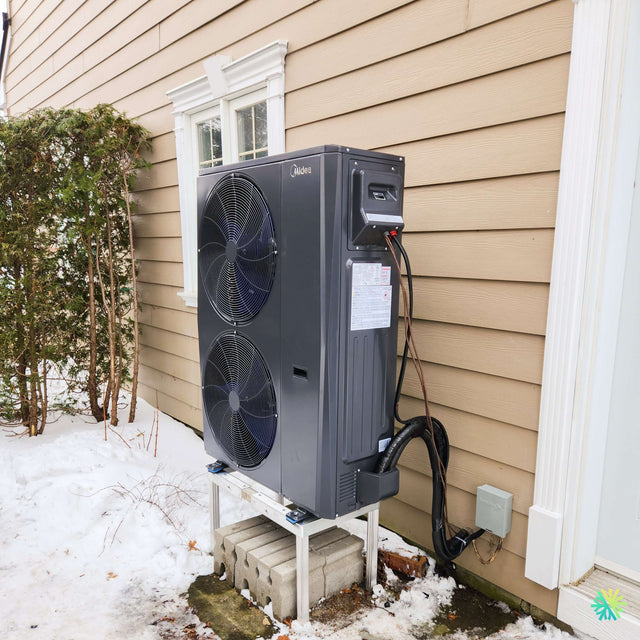
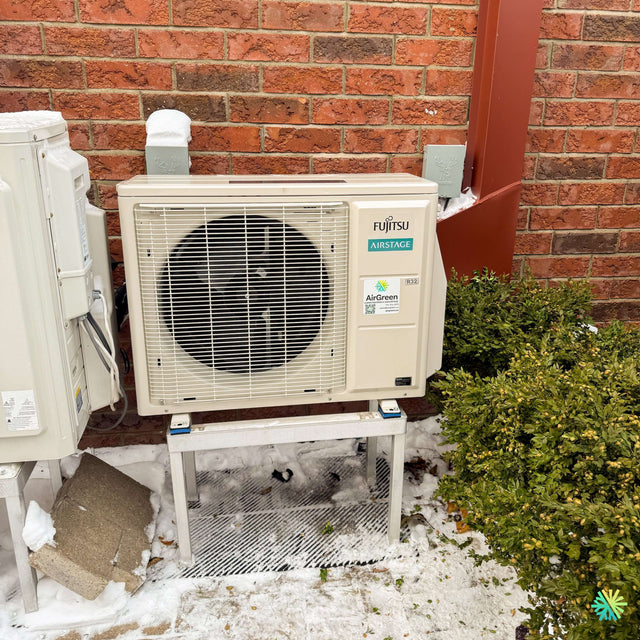
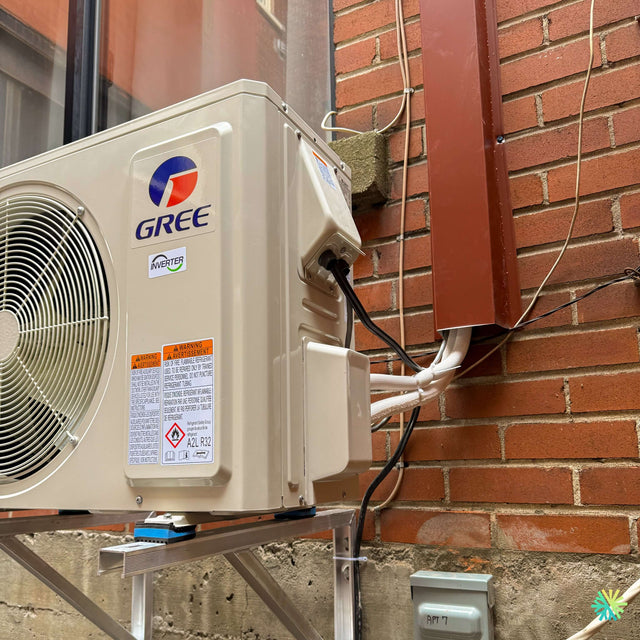
Models like the Gree Extrême and the Fujitsu KZAH, offered by AirGreen, allow homeowners and businesses in Montreal to significantly reduce their energy bills while contributing to the reduction of their carbon footprint. This type of system is especially popular in residential areas such as Laval and Longueuil, where cold winters and hot summers require a versatile solution.
Key benefits of reversible heat pumps:
-
Dual function: heating in the winter, cooling in the summer.
-
Increased energy efficiency thanks to the use of eco-friendly refrigerants like R-32.
-
Long-term cost reduction, with a quick return on investment.
-
The Integration of AI for Smart HVAC Systems
Artificial intelligence (AI) is increasingly being integrated into smart air conditioning systems. These technologies optimize temperature management based on user habits, external weather conditions, and energy needs. By 2026, more and more households in Montreal will adopt connected HVAC systems.
For example, Gree smart air conditioners can now be controlled remotely via a mobile app, allowing users to adjust the temperature at any time, optimize energy consumption, and even schedule settings for customized comfort.
Features of smart HVAC systems:
-
Remote controls via smartphones or tablets.
-
Learning user preferences for optimal management.
-
Energy consumption reduction thanks to automatic management.
-
The Rise of Low-Noise Air Conditioners
Noise remains one of the main drawbacks of traditional air conditioners. Fortunately, low-noise models are becoming more accessible on the Montreal market. By 2026, consumers in Laval and Longueuil will increasingly opt for ultra-quiet wall-mounted air conditioners that ensure peace and comfort without compromising performance.
Fujitsu air conditioners and Sharp ZU1 models, for example, are specifically designed to operate at a very low noise level, making them an ideal choice for apartments in downtown Montreal or bedrooms.
Benefits of low-noise air conditioners:
-
Optimal sound comfort for nighttime use without disturbance.
-
Noise-reduction technology integrated into both the indoor and outdoor units.
-
Ideal for spaces with poor sound insulation, such as condos.
-
The Impact of Government Grants for Energy-Efficient Solutions
Government grants will continue to play a key role in the adoption of more eco-friendly HVAC solutions in Montreal. By 2026, programs like LogisVert by Hydro-Québec will be strengthened to encourage the installation of eco-friendly and energy-efficient systems. These grants will offer significant discounts, making the installation of systems like wall-mounted heat pumps more financially accessible.
At AirGreen, we help our clients with grant applications, offering advice on eligible products and maximizing energy savings through certified HVAC systems.
Examples of available grants:
-
LogisVert for energy-efficient heat pumps.
-
Tax credits for eco-friendly equipment in primary residences.
-
Financing programs for HVAC system installations.
-
The Growing Power of Solar-Powered HVAC Systems
Solar energy is becoming increasingly popular in the air conditioning sector in Montreal, particularly for commercial installations. By 2026, the integration of solar panels to power low-energy HVAC systems will grow exponentially, especially for office buildings, hotels, and commercial buildings.
The installation of solar panels combined with a heat pump allows businesses and residences to operate on renewable energy while reducing dependence on the traditional electrical grid. This solution is ideal for businesses in Montreal and Laval concerned with their carbon footprint.
Benefits of solar-powered HVAC systems:
-
Energy independence with solar power.
-
Long-term operating cost reduction.
-
Compliance with environmental standards and eco-certifications.
Conclusion: A Greener and More Cost-Effective Future for Air Conditioning in Montreal
The air conditioning market in Montreal, Laval, Longueuil, and the South Shore is rapidly changing. By 2026, consumers will benefit from smarter, greener, and more cost-effective HVAC solutions, while also taking advantage of grants to ease their initial investment. At AirGreen, we are proud to guide our clients through this energy transition by offering innovative, tailored solutions that meet each household or business’s specific needs.
You made it to the end.Share it with someone it could help.
AirGreen Climatisation & Chauffage
From reading to your home.
An AirGreen advisor assesses your situation on site, free of charge, and gives you a quote within 24 hours.
- RBQ licence 5645-9605-01Subclasses 15.8, 15.10 and 16
- Free on-site estimateAn advisor assesses your needs
- Quote within 24 hoursClear and detailed
Contents
AirGreen glossary