
Central heat pump, add-on or wall units? Four answers are all it takes.
Your ducts, your current heating, your home, your priority. Sometimes the right answer is wall units, and we’ll tell you so right away.
How a central heat pump works, in one diagram.
One unit outside, one unit inside the house, your ducts in between. In winter, it pulls heat from the outdoor air; in summer, it does the opposite.
Central heat pump, wall-mounted heat pump or central air conditioner: the difference.
Pick your need and the table highlights the most logical option. Then the pros and cons, no sugar-coating.
LogisVert grant for a central heat pump: the exact calculation.
Five answers. Every line of the result is recalculated with the model’s certified capacity, not an “up to”.
How much a central heat pump takes off your winter bill.
Same heating need, two ways to produce it. Slide, change the efficiency, and see the gap over one winter and over ten.
Method: HSPF2 ÷ 3.412 gives the seasonal efficiency; we take off 20% to be safe, since a Montréal winter is harsher than the rating’s reference region. kWh price: 11.142¢, 2nd tier of Rate D (April 1, 2026). No rate increase, no cooling.
Central heat pump prices in 2026: what you really pay.
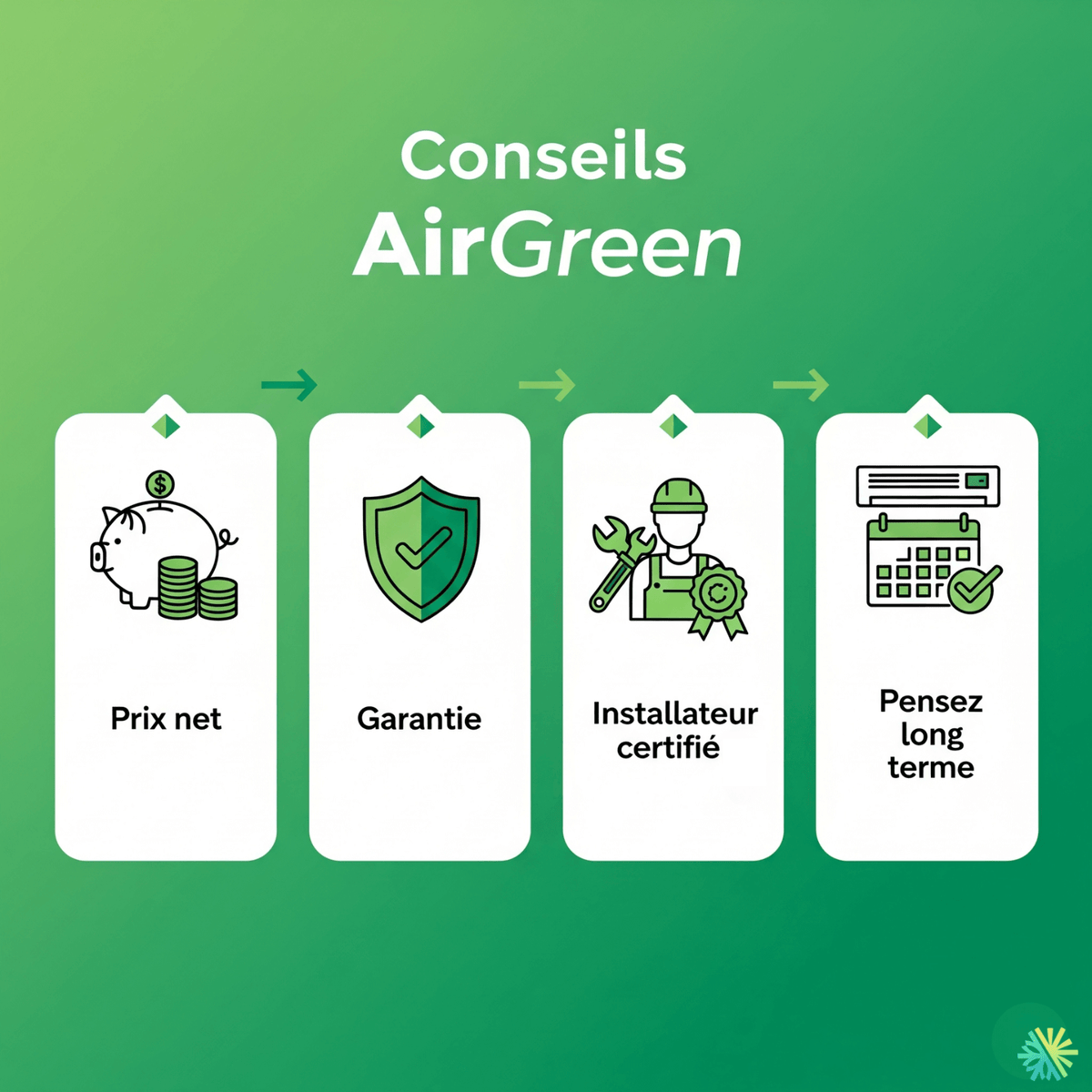
The price isn’t just the machine: it’s 15 to 20 years of comfort. Be wary of prices that are too low; a botched installation costs more over 10 years.
At AirGreen, we have the best price-matching policy on the market. If you get a lower offer, we can beat it — but not just any old way. We compare every detail:
- The proposed machine : brand, model, capacity (tons), energy efficiency, warranties (parts, compressor, labour).
- The planned installation : adapting to the ducts, electrical connections, calibration… nothing is left to chance.
- The company behind the offer : is it RBQ-certified? Does it have good customer reviews? Does it offer real after-sales service?
The result: with AirGreen, you get the best price AND the best value. Not just a lower bill, but a quality installation, solid warranties and long-term peace of mind.


2026 comparison of 3-ton central heat pumps.
Thirteen models, the numbers from their certified spec sheets. Our 2026 pick first, then the whole market: filter, sort, then put two head to head, and the best number on each row lights up in green.
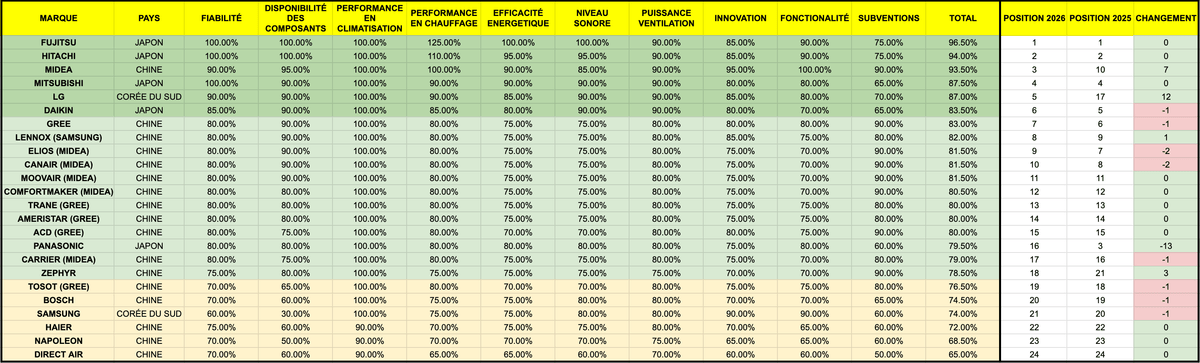
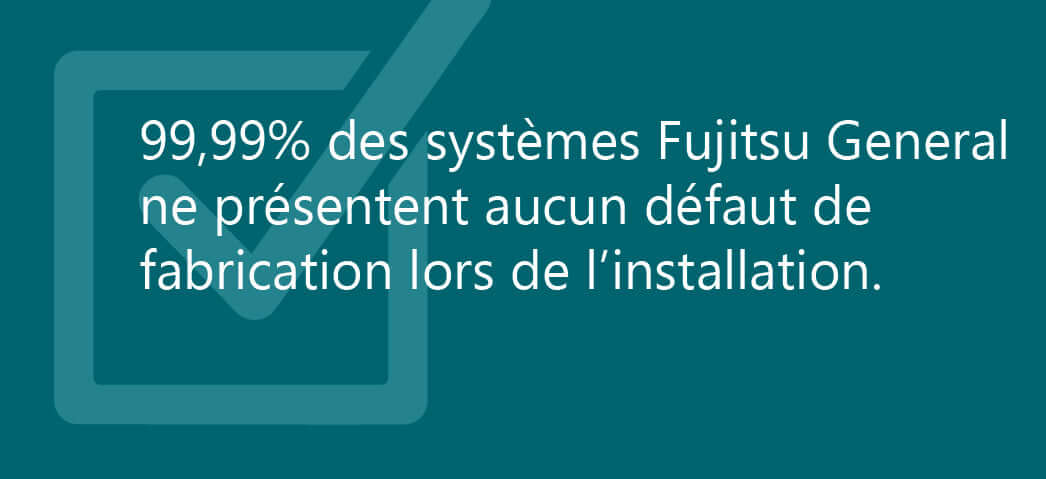
Best central heat pump brands in Québec: all 24 put under the microscope.
Japanese brands, the Midea family, the Gree family, American brands: filter by family. When we sell a model, its certified spec sheet speaks louder than its reputation.
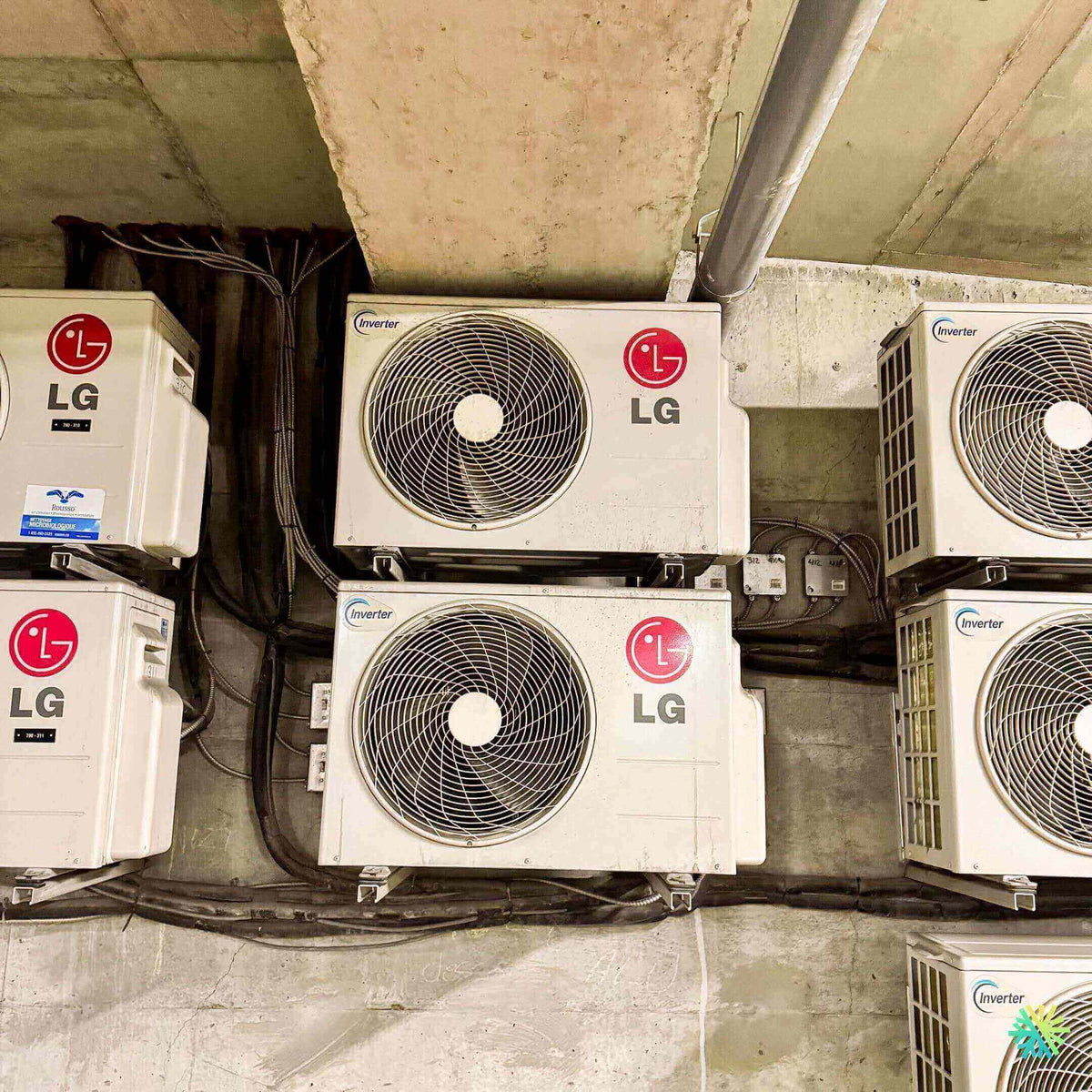
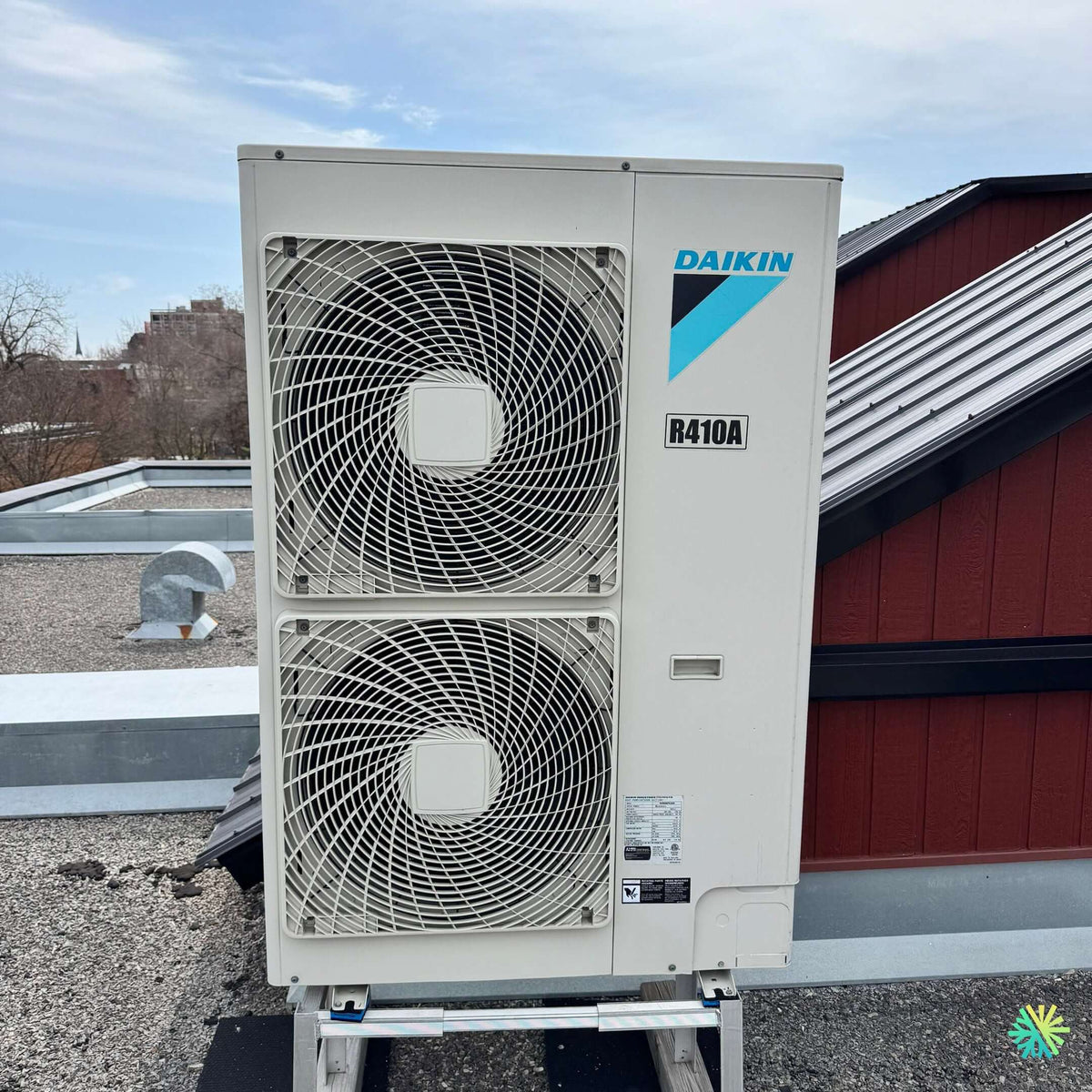


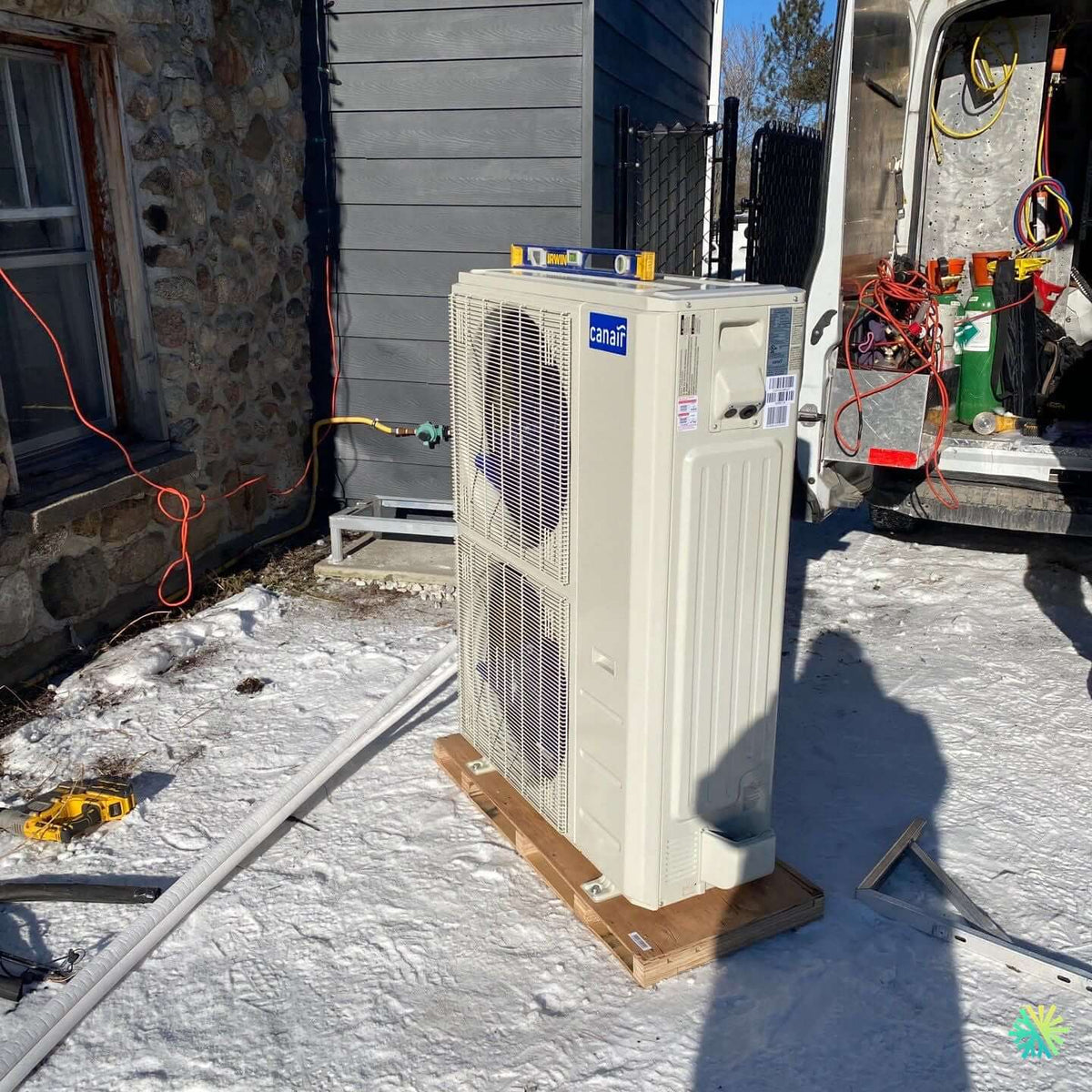
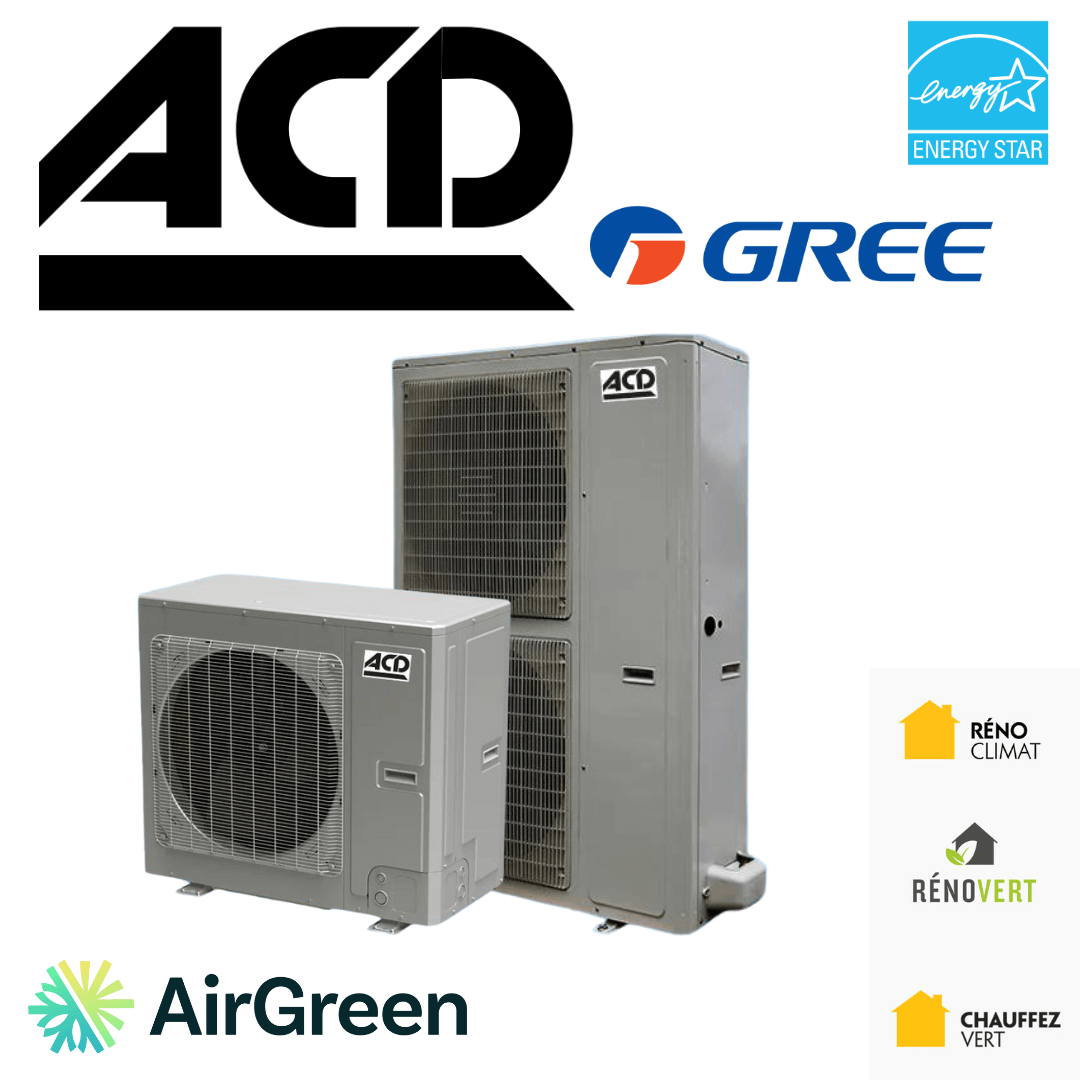
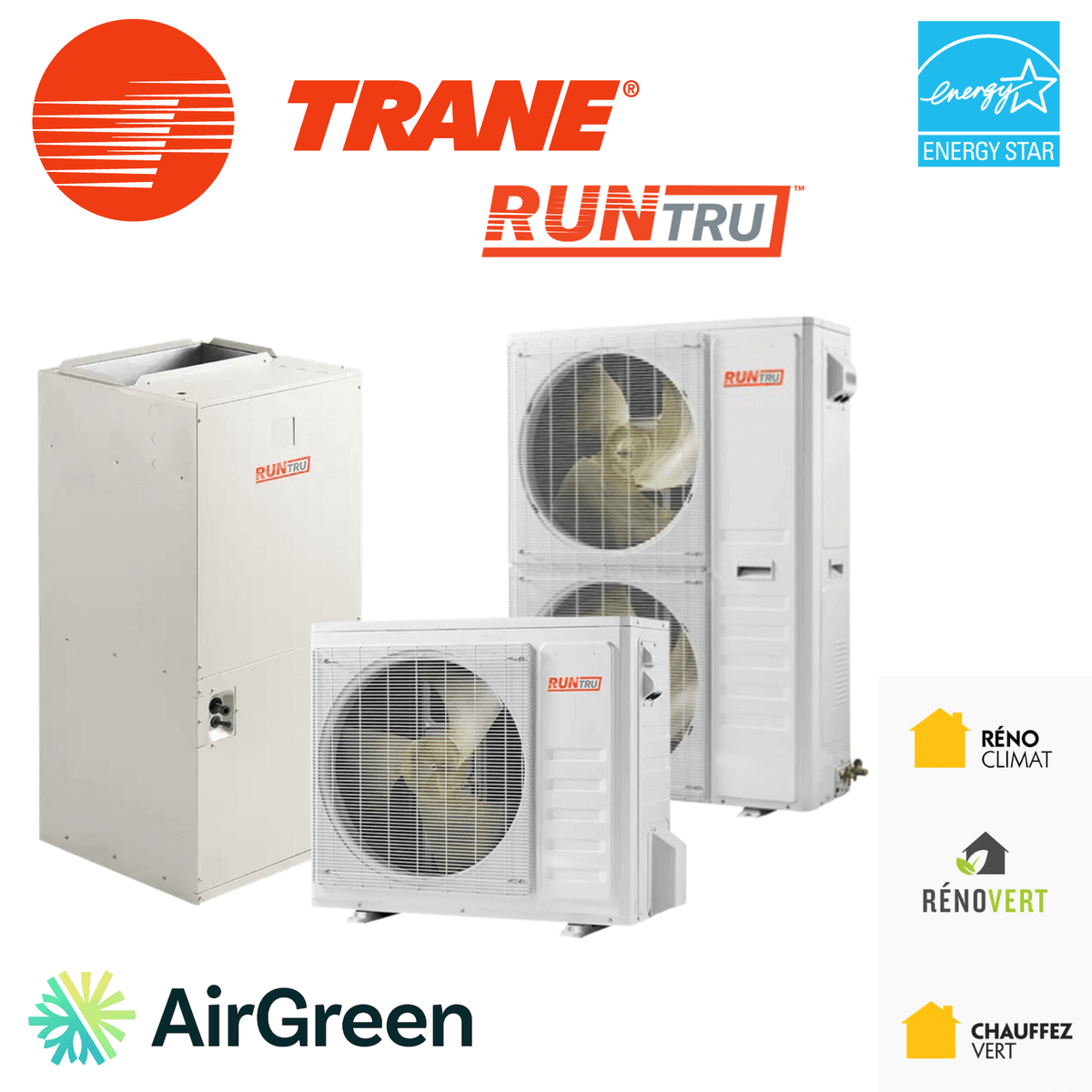
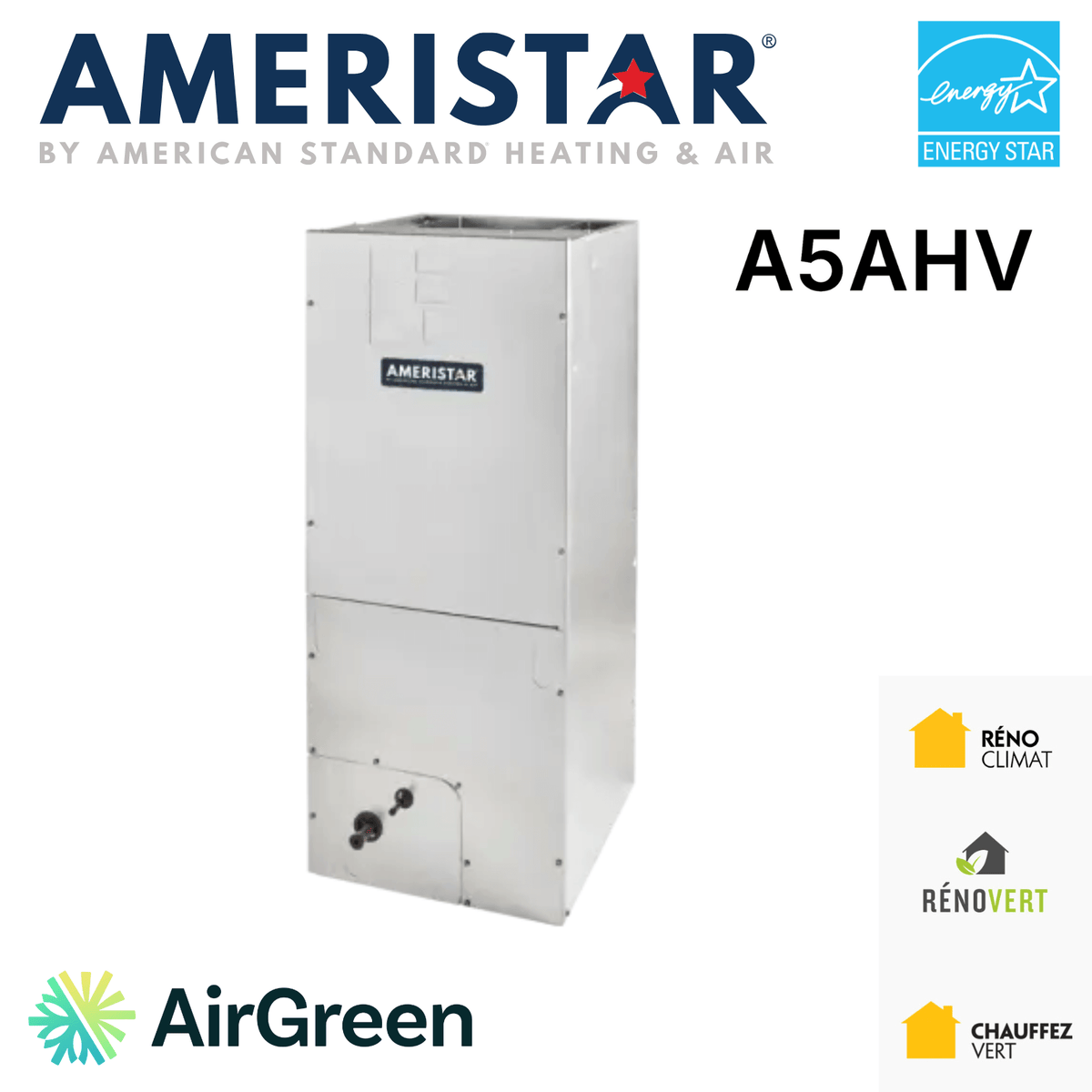
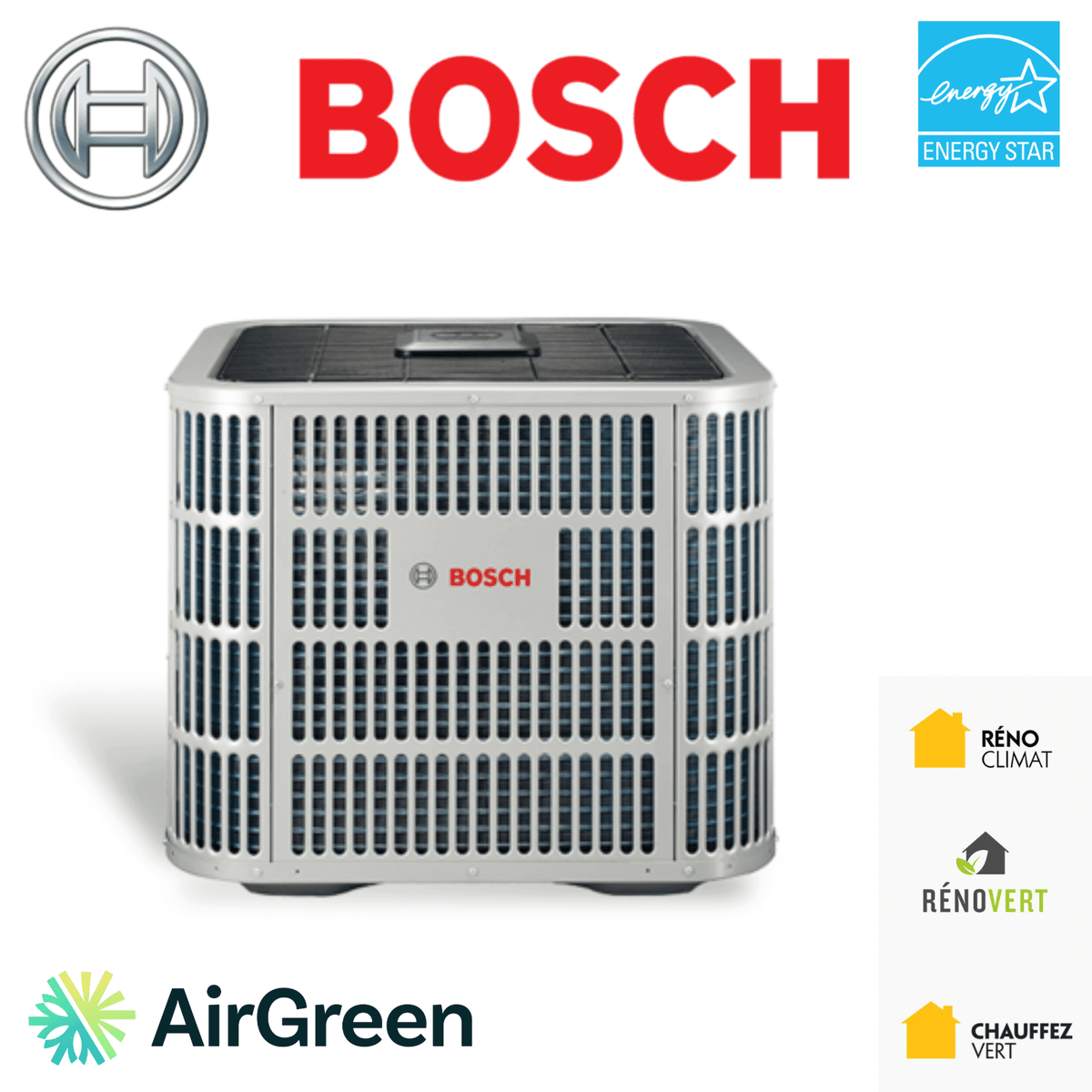




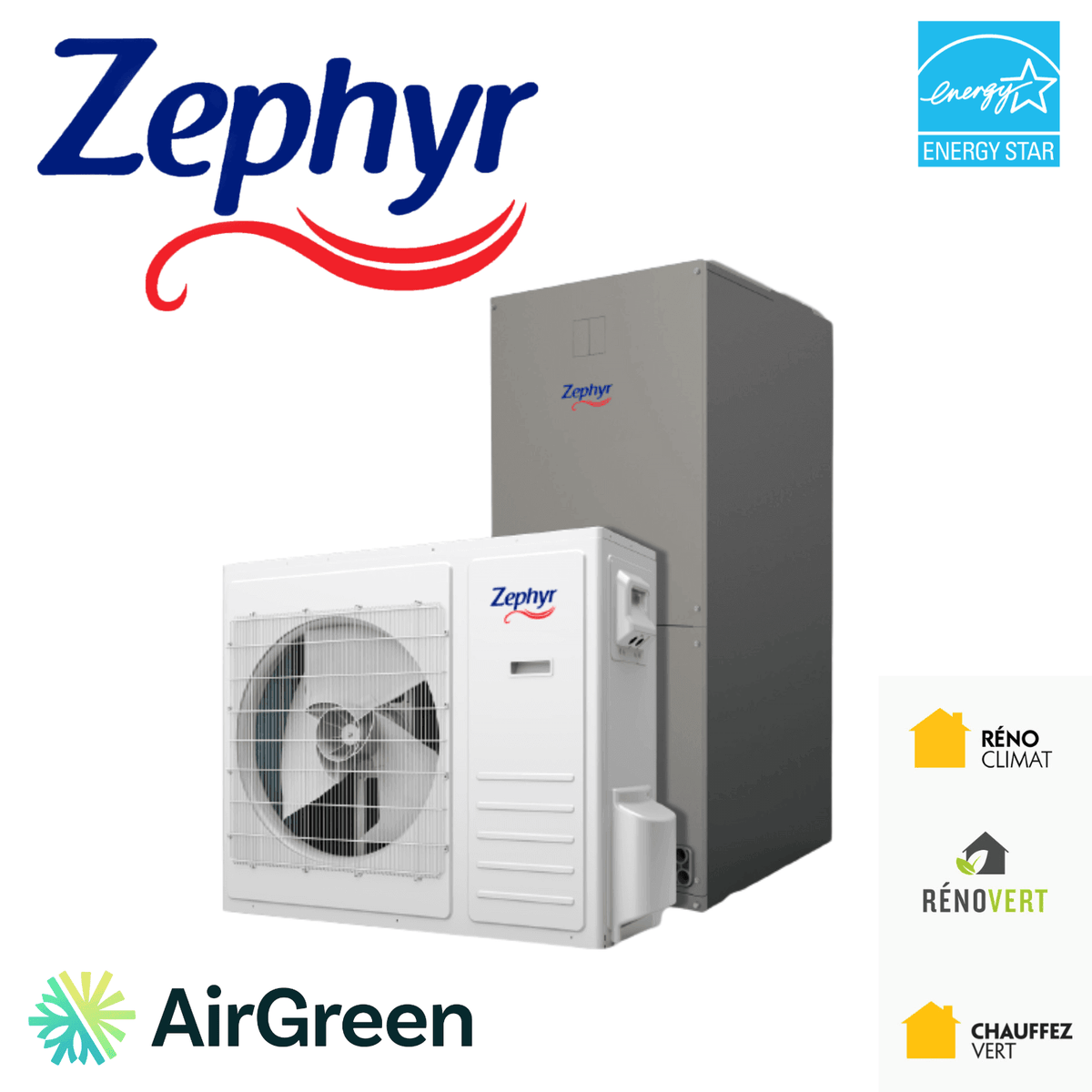
Central heat pumps and Québec winters: which ones still heat at -30 °C?
In Québec, a central unit has to heat at -25 °C and -30 °C. Most generic models lose their efficiency from -15 °C and are no longer enough as a main heating source. Bring the thermometer down.
- Analysis of real performance curves.
- Reliability tracked over several Québec winters.
- Real service data from Greater Montréal.
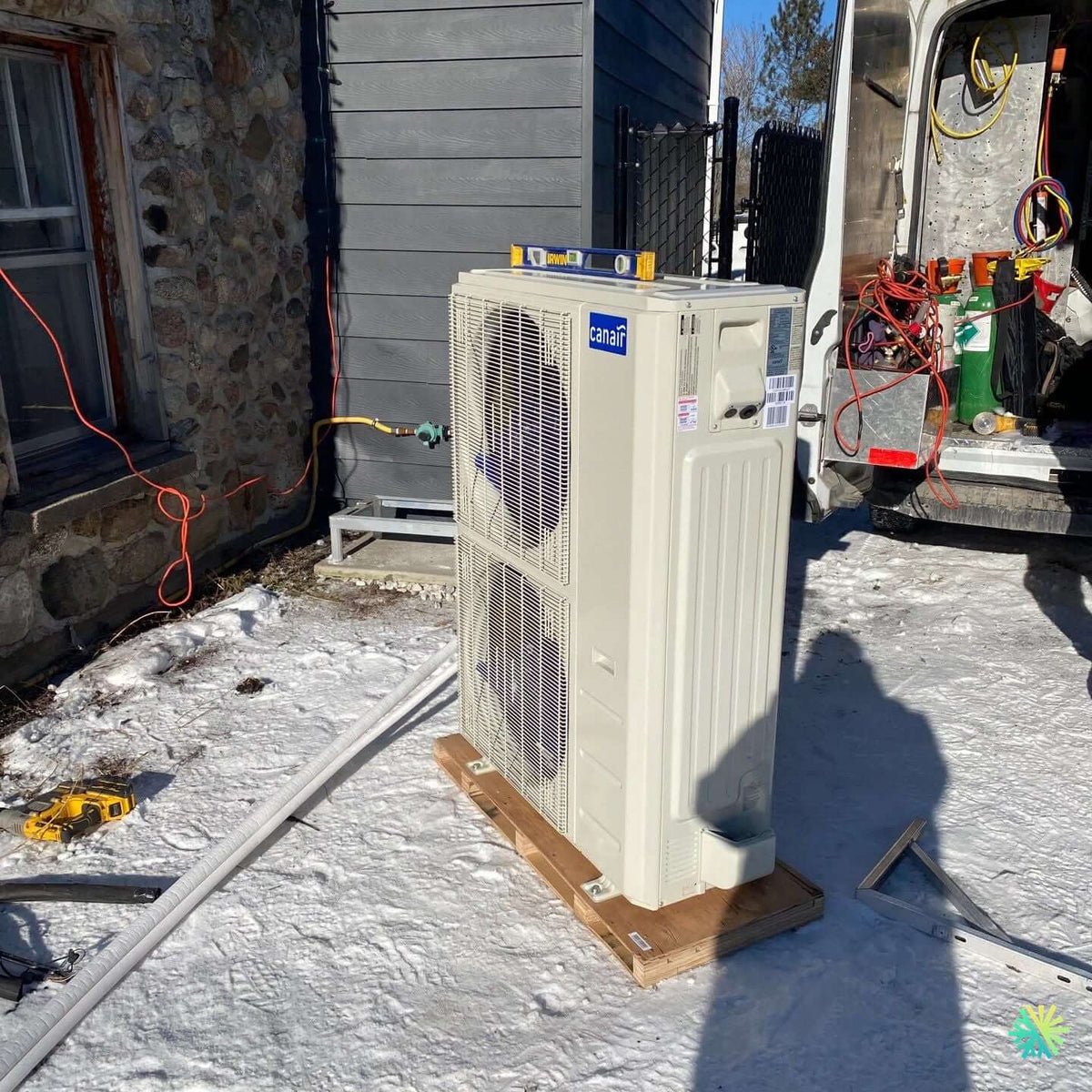
What size central heat pump does my home need?
Capacity in tons and BTU, and why real comfort depends as much on proper sizing as on the brand.
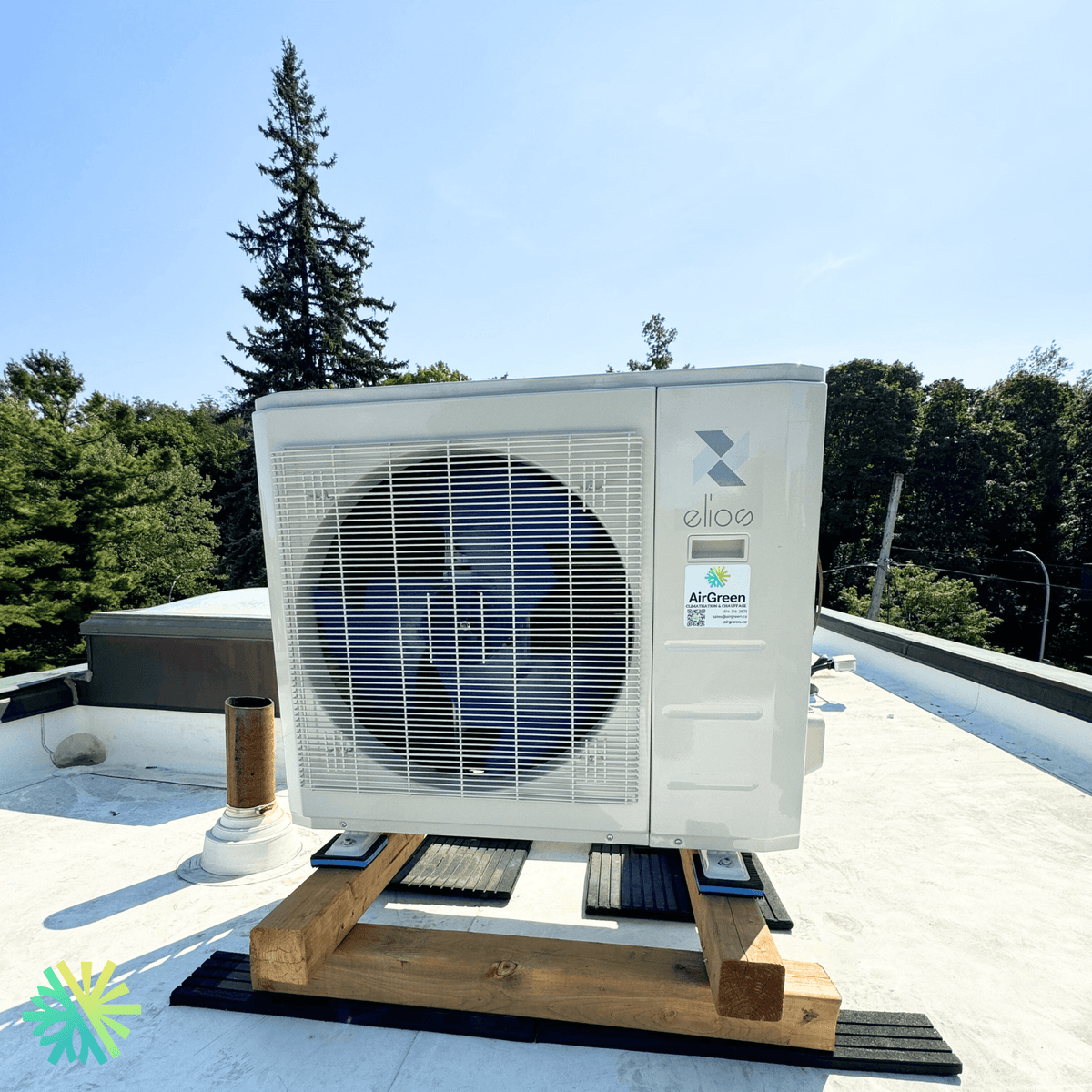
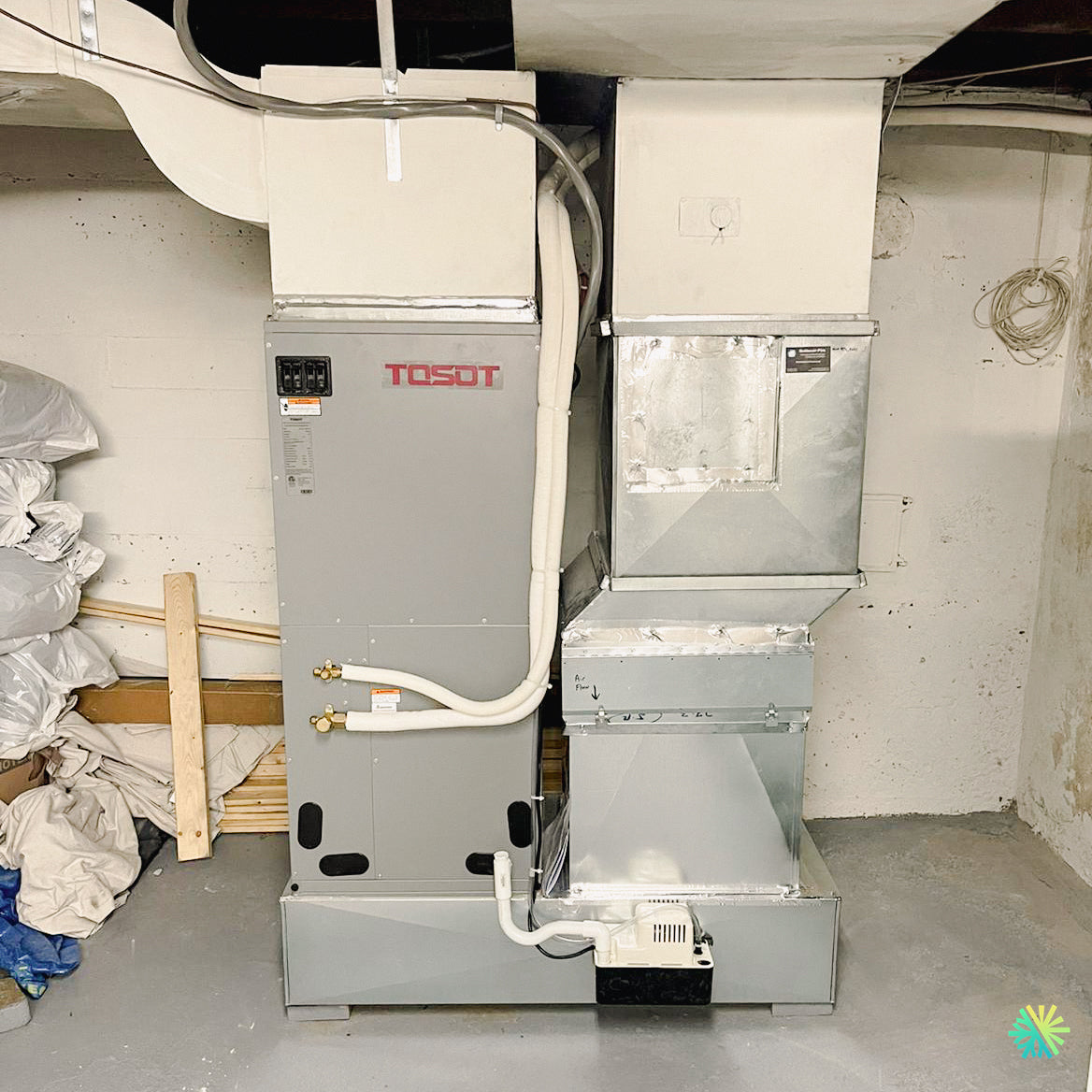
Central heat pump noise levels: where does yours land?
AirGreen benchmarks: 40 to 55 dB for the indoor blower, 55 to 70 dB for the outdoor unit. To the ear, +10 dB sounds about twice as loud; +3 dB is twice the energy, not twice the perceived noise.
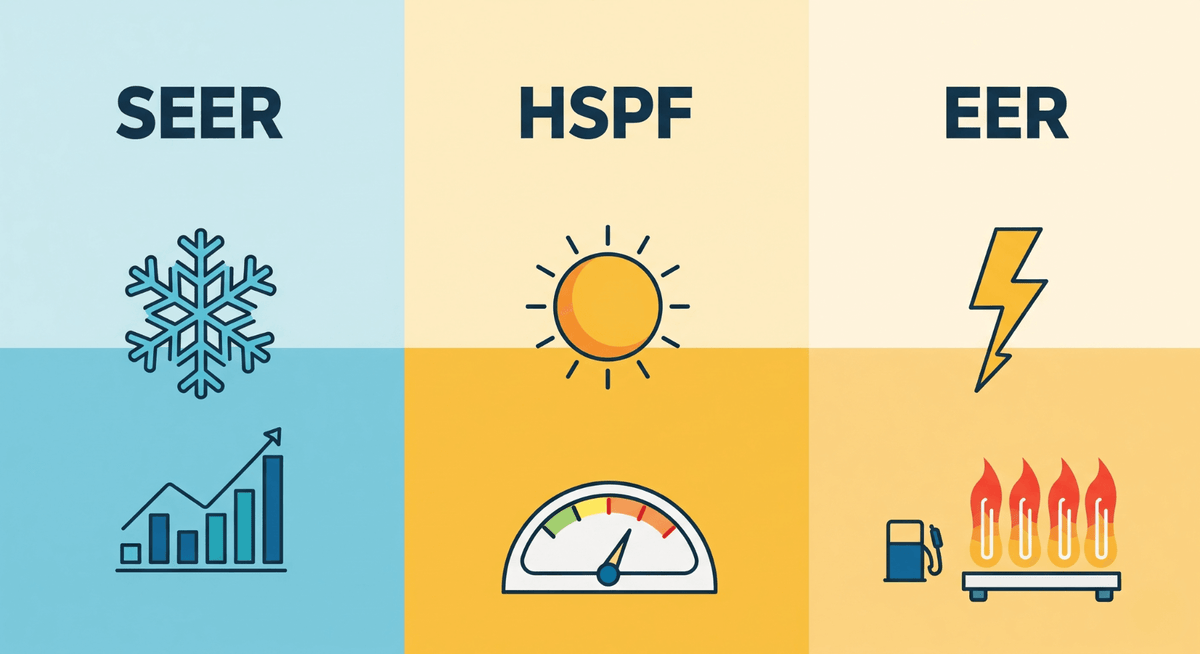
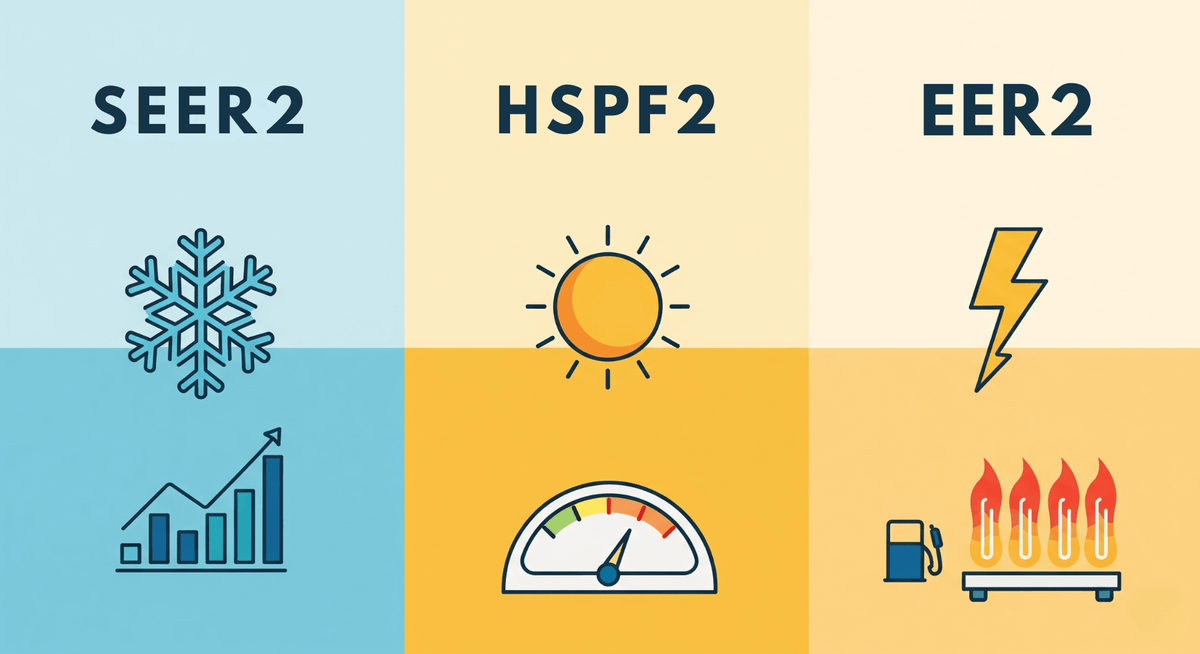
R-32, R-454B, SEER2, HSPF2: the 2026 standards made simple.
Two ratings are enough to judge a model, and one number for its climate footprint.

2026 technology and ease of use.
Smarter, more comfortable, easier to diagnose: what recent models really bring.
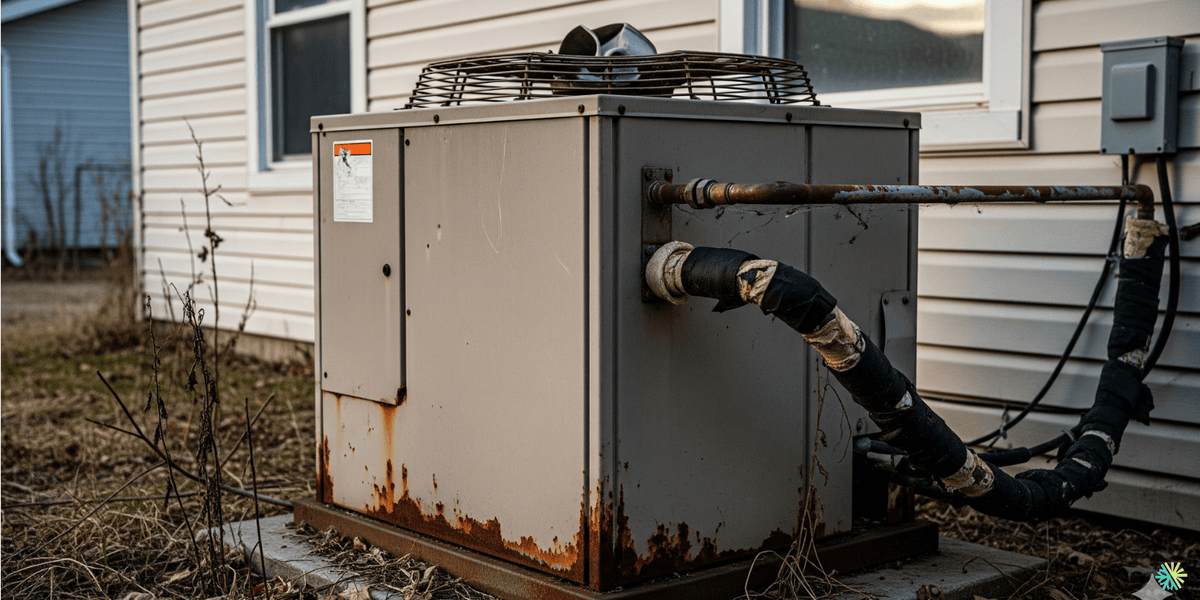
Central heat pump lifespan and maintenance.
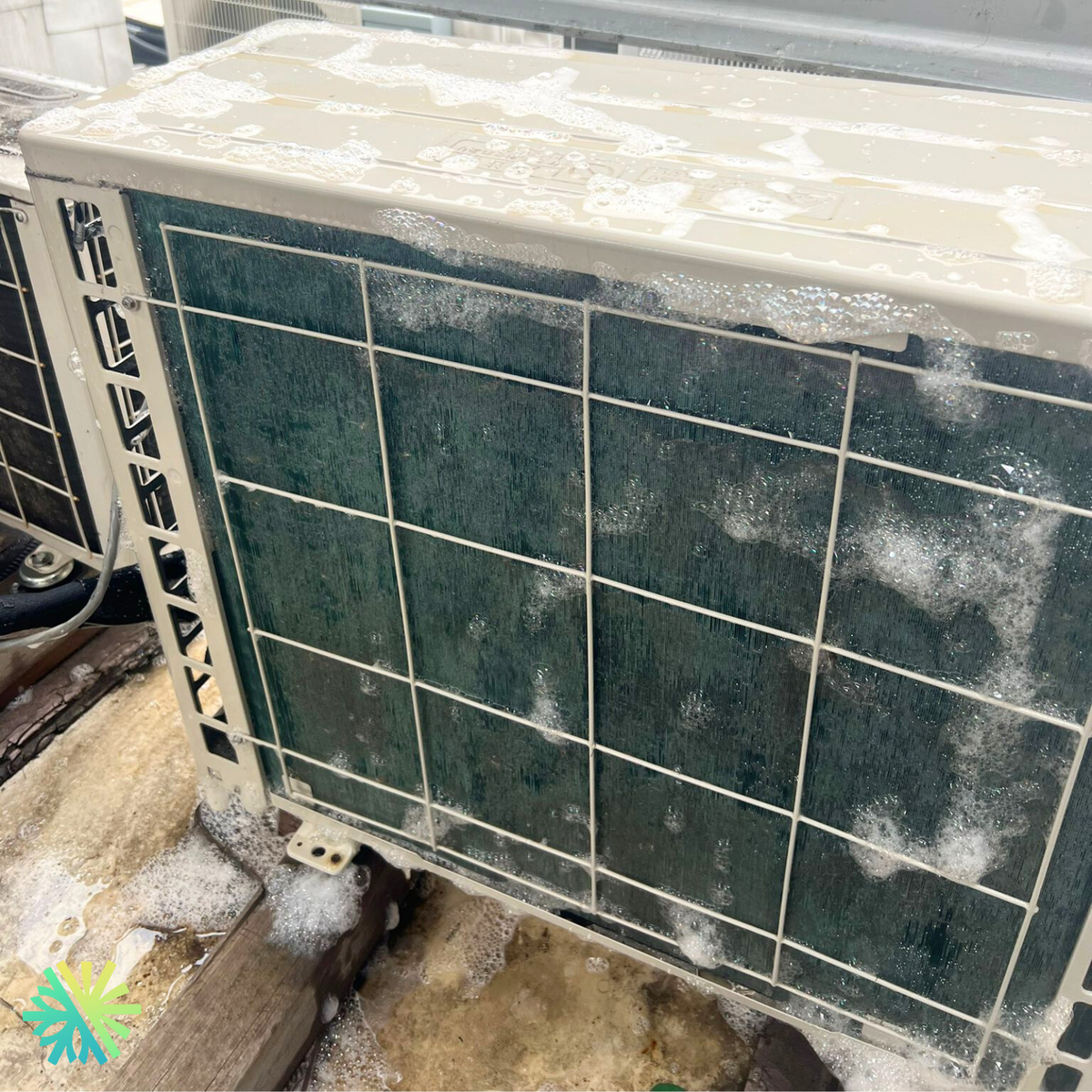
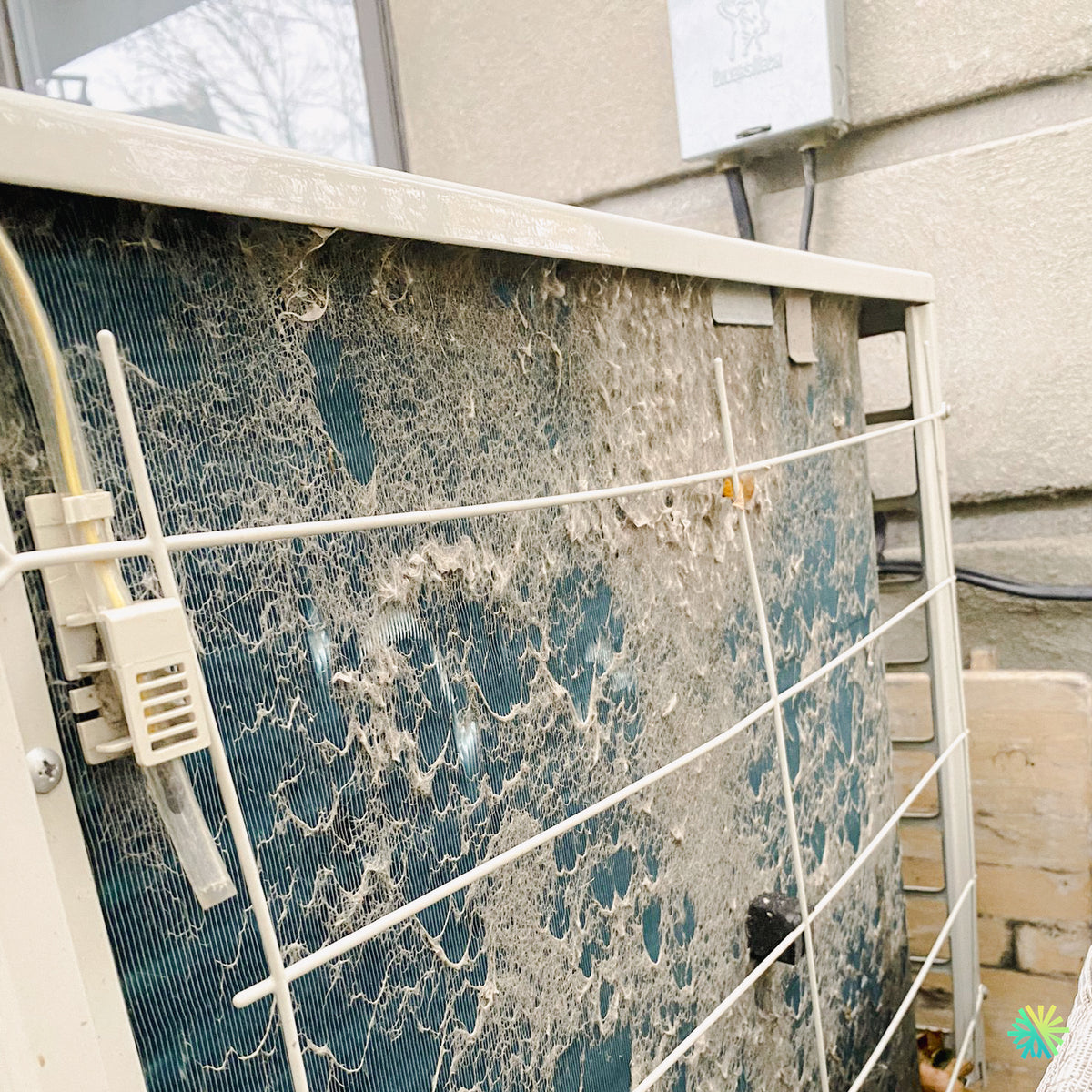
Even an excellent central unit wears out faster without maintenance. See the effect, then plan your filters.
- Clean or replace the filters every 1 to 3 months.
- Keep grilles and air vents clear.
- Avoid sudden setpoint jumps (18 °C to 24 °C all at once).
- Pressure and refrigerant charge readings.
- Inspection of the fan, compressor and blower.
- Defrost and electrical connection checks.
- Coil cleaning and, if needed, duct cleaning.

- Recommendations suited to your setting: a house near the river needs more follow-up than a new condo in Laval.
- Advanced diagnostic tools: thermal camera, precise pressure tests.
- Programming tips: lower it slightly at night for comfort and for the bill.
- Preventive accessories: high-efficiency filters, anti-vibration protection, anti-corrosion treatments.
Installing a central heat pump: the installer matters more than the brand.
Poorly sized ducts, a badly adjusted blower, neglected calibration: the best machine turns into a nightmare. Here is the AirGreen process, step by step.
Free estimate
- On site or online.
- Floor area, insulation and layout of the house.
- Condition and size of the existing ducts.
- Possible models and capacities (tons, SEER2, HSPF2).

A clear quote
- Price for the complete replacement.
- Parts, compressor and labour warranties.
- AHRI number and LogisVert calculation.
- Everything in black and white before you sign.

Choosing the model
- Capacity based on the house’s real load.
- Performance in Québec’s cold, down to -30 °C.
- Noise level, reliability, budget.
- Grant maximized.

Installation
- Safe removal of the old unit.
- Code-compliant refrigerant and electrical connections.
- Nitrogen pressure and leak test, then vacuum.
- Start-up, blower calibration, duct balancing.
Quality control
- Pressures and refrigerant charge validated.
- Heating and cooling tests.
- Airflow checked room by room, noise level verified.
- Walkthrough: operation, Wi-Fi, maintenance.
Warranty and follow-up
- Manufacturer warranties registered for you.
- AirGreen labour warranty.
- After-sales service by our own teams.
- Follow-up on the grant and the annual maintenance.
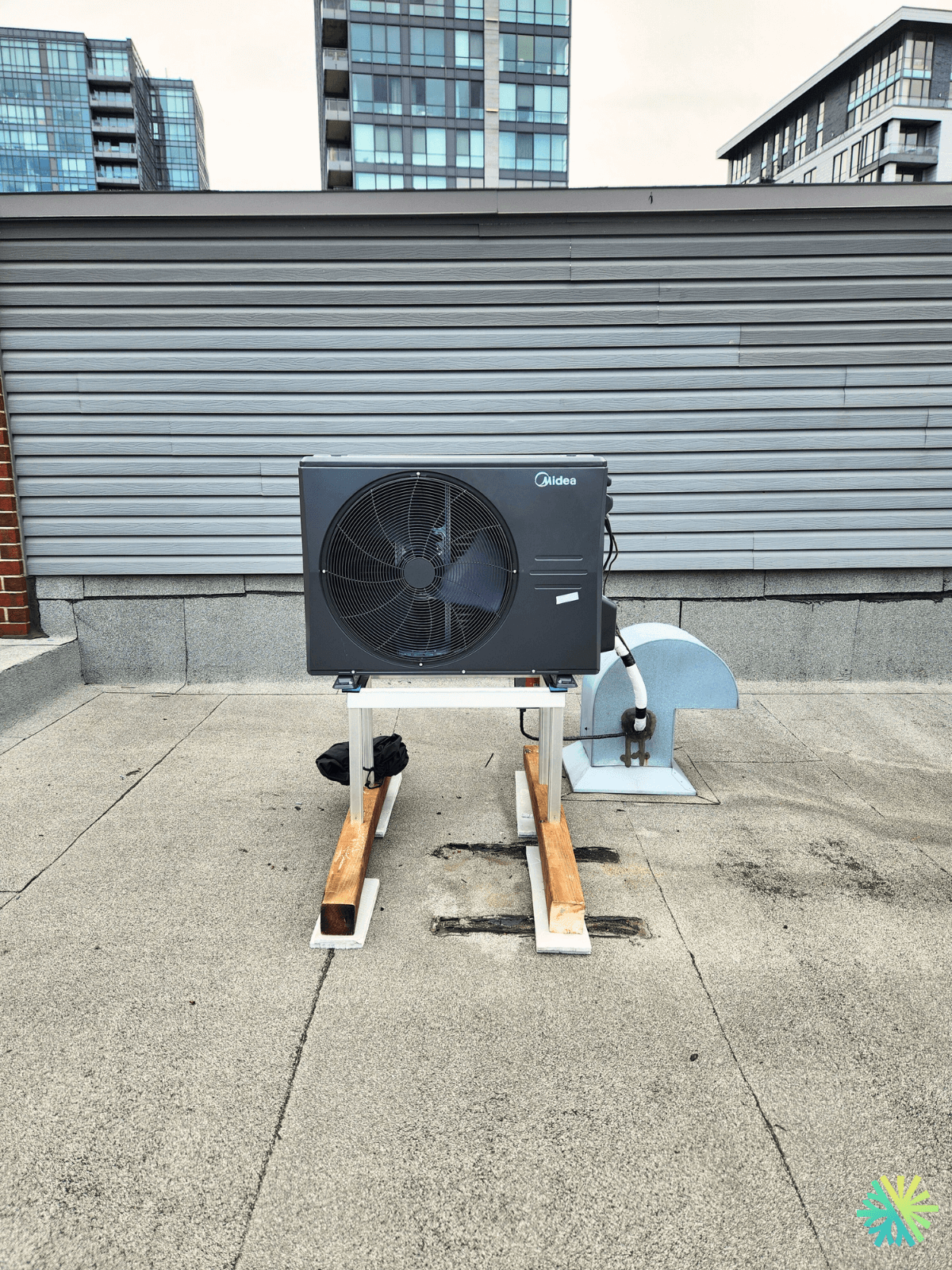

- Manufacturer warranty refused or voided.
- Premature breakdowns: sloppy connections, no pressure test.
- Improvised wiring: risk of major failure or fire.
- Hidden costs: the “cheapest” ends up costing thousands in repairs.
- A contractor you can’t find after a few months.
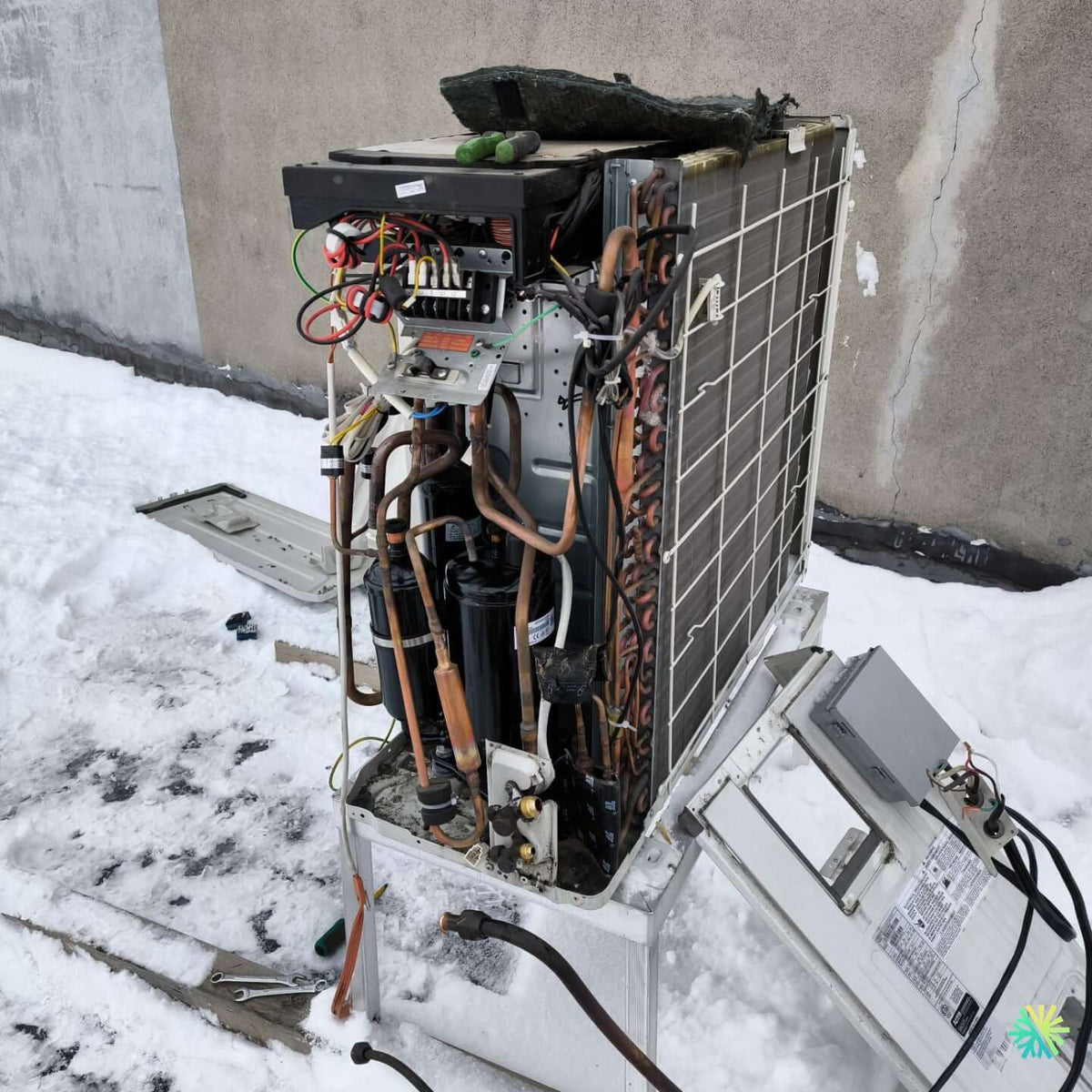
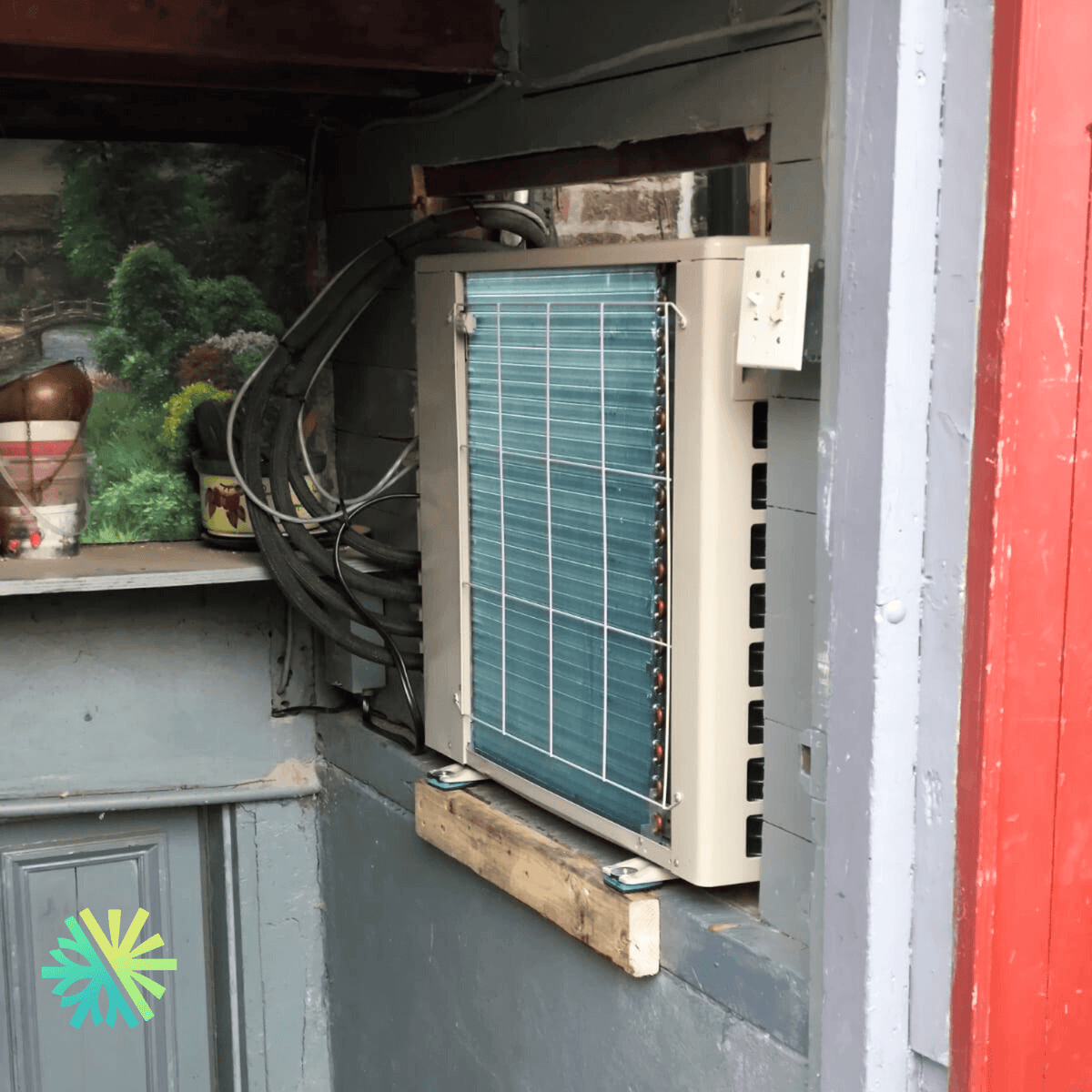
- Outdoor unit and indoor unit
- Refrigerant connections, nitrogen, vacuum, commissioning
- Electrical connection of the unit
- AHRI number and LogisVert calculation on the quote
- Natural gas or propane connection
- Removal of an oil tank or oil burner
- Plumbing
- The LogisVert claim, no later than 9 months after
- Your condo board’s approval
- The municipal permit if your city requires one
Central heat pump grants in 2026: what’s still open.
Plenty of pages still talk about programs that have closed. Here’s where things stand as of September 22, 2026, your timeline all the way to the cheque, and the eight conditions to check off.
- Who: owners of an eligible home in Québec: houses, plexes, condos with ducts, residential buildings.
- Why: a central or multi-zone air-source heat pump, to use less electricity.
- How much: based on the certified capacity at -8 °C and the certification, not on floor area or the quality of the ducts.
- Conditions: unit bought in Québec, ENERGY STAR certified, installed by an RBQ-licensed contractor.
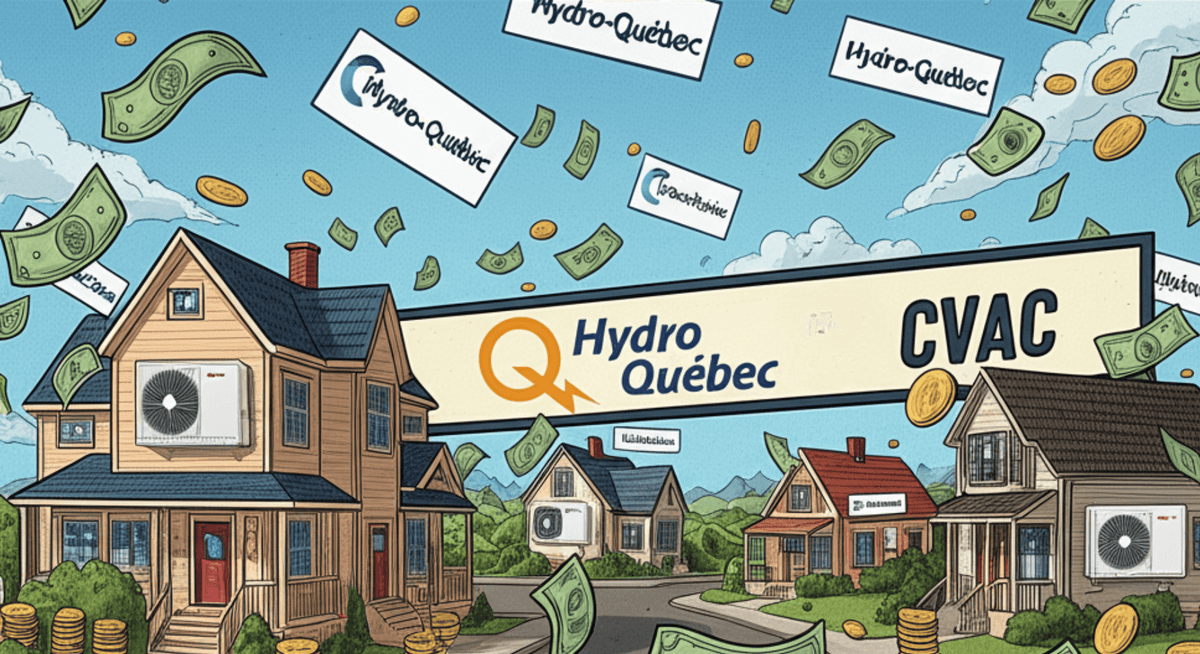
Six things you still hear during quotes.
Tap a card for the answer, with the source.
Central heat pumps: your questions, our answers.
Type a word, with or without accents.
- Hydro-Québec, LogisVert Participation Guide, residential component, version 1.10 (September 15, 2026).
- Hydro-Québec, LogisVert residential page and eligible heat pump search tool (the official list prevails).
- Government of Québec, Chauffez vert: conversion component ended March 31, 2026 (page updated July 6, 2026).
- Natural Resources Canada, Oil to Heat Pump Affordability program: registration closed July 31, 2026 (page modified September 17, 2026).
- ENERGY STAR, heat pump specification version 6.2 (February 2025 revision), M1 testing in effect since January 1, 2023.
- Hydro-Québec, Rate D in effect April 1, 2026.
- Capacities at -8 °C, SEER2, HSPF2 and noise: the models’ AHRI-certified spec sheets, as shown on airgreen.ca on September 22, 2026.
The amounts shown are estimates; only the responsible organizations confirm the assistance granted.
Certains de Nos Projets dans le Grand Montréal
Plus de 10 000 clients font confiance à AirGreen partout à Montréal, Laval, Longueuil, Rive Sud et Rive Nord!
-
 AirGreen Climatisation & Chauffage Admin
Installation of a Broan-NuTone AI Series V180H75RT air exchanger in Baie-D'Urfé
-
 AirGreen Climatisation & Chauffage Admin
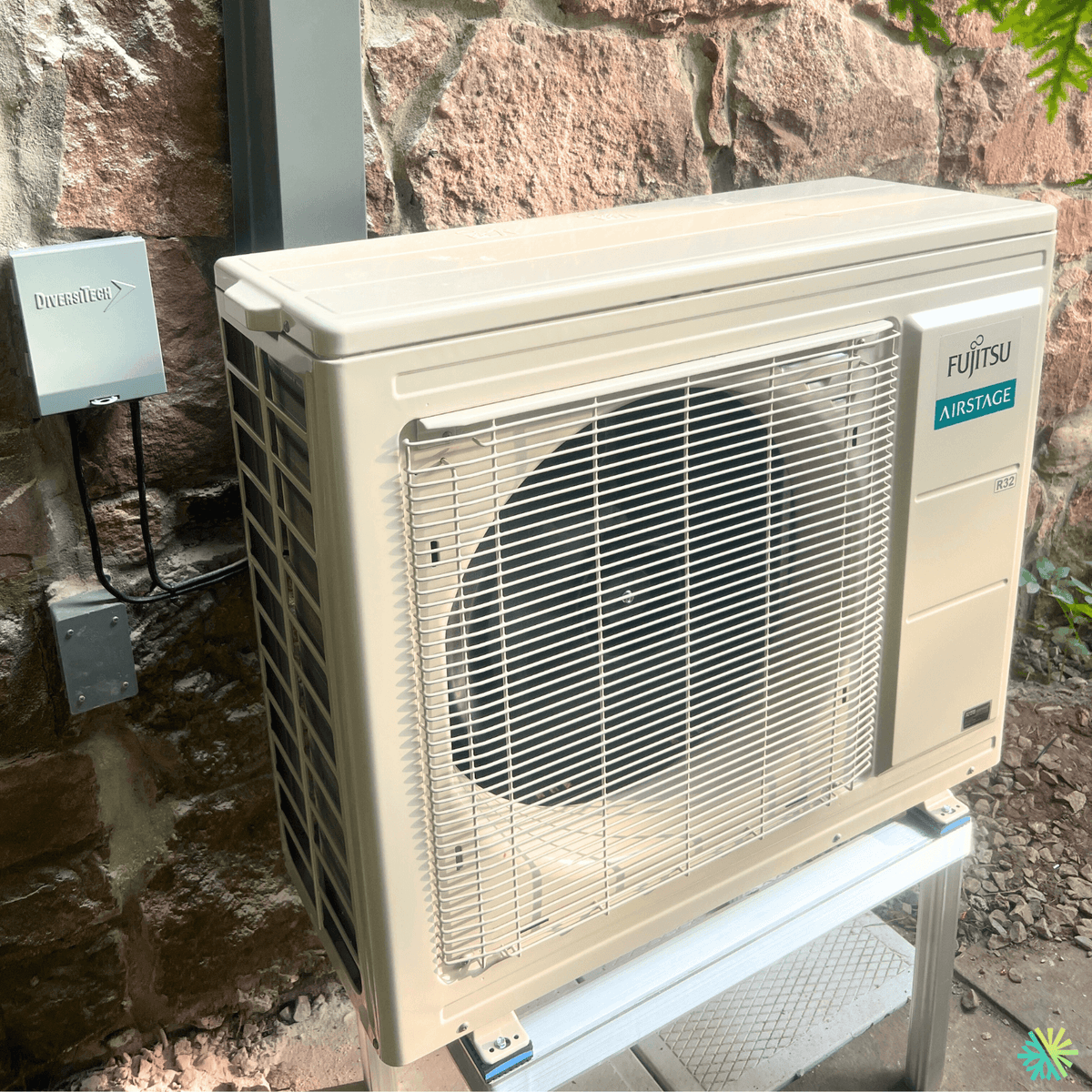
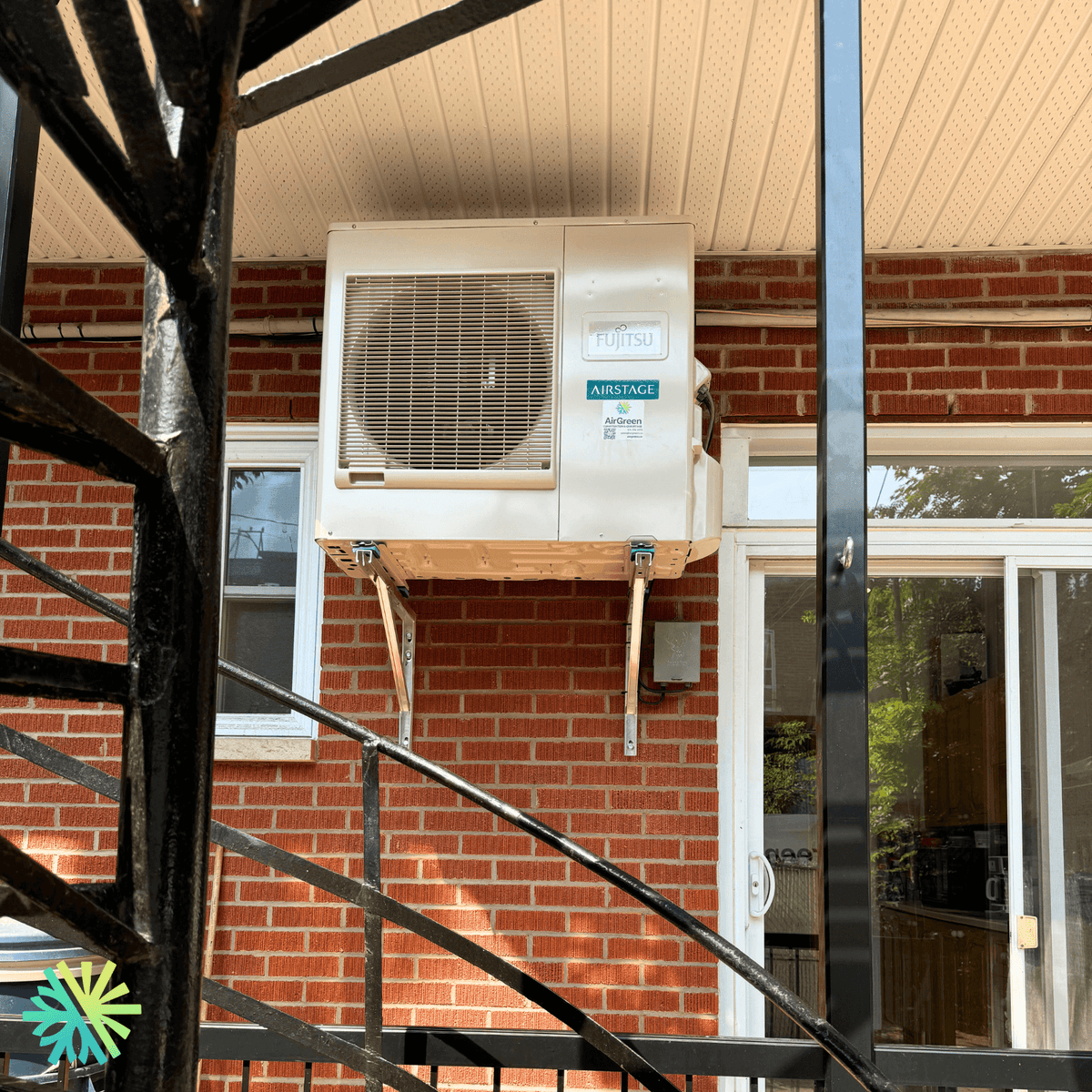
Installation of a Fujitsu AIRSTAGE Aquila XLTH dual-zone heat pump in Plateau-Mont-Royal, Montreal
-
 AirGreen Climatisation & Chauffage Admin
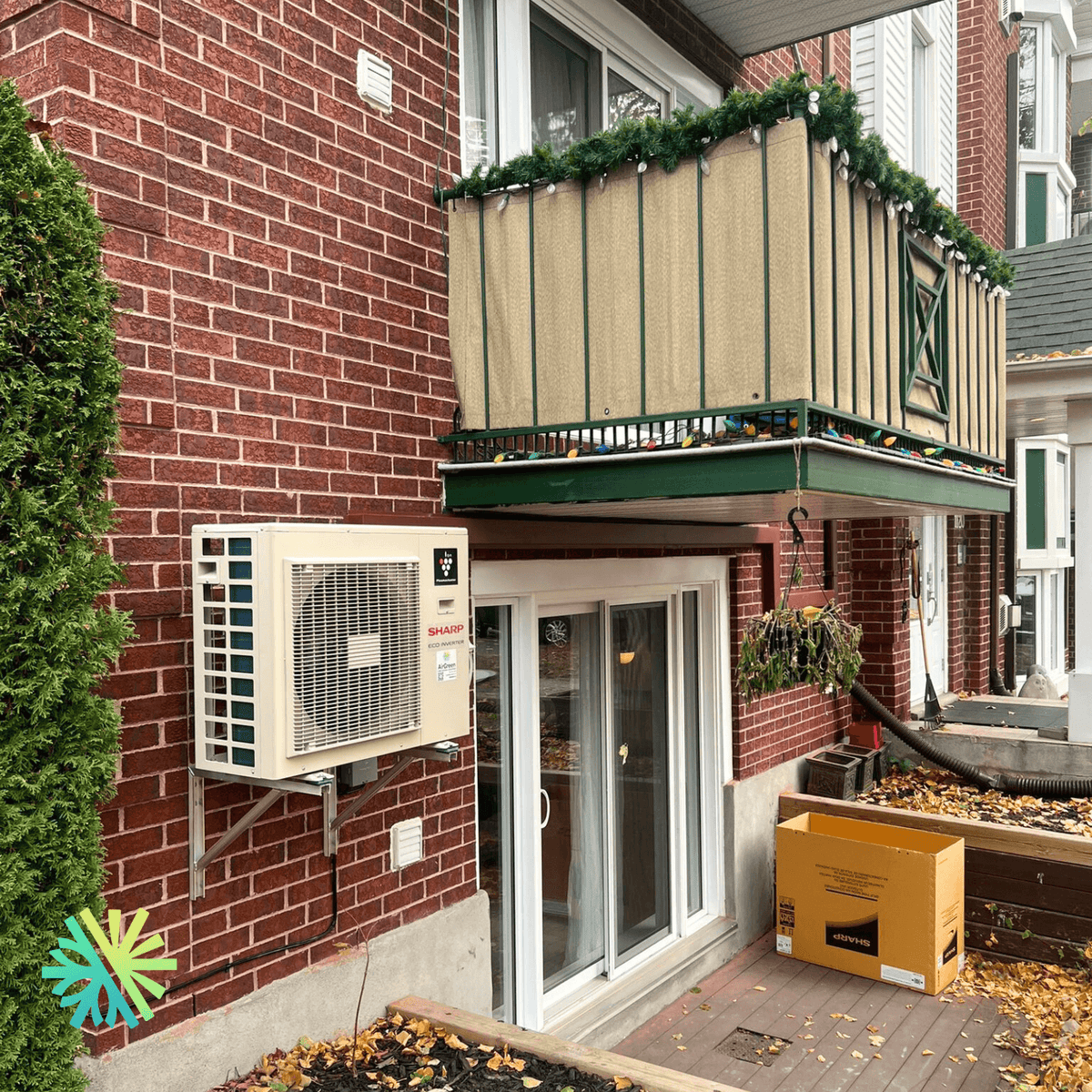
Installation of a Sharp wall-mounted heat pump in Côte-des-Neiges–Notre-Dame-de-Grâce
-
 AirGreen Climatisation & Chauffage Admin
Installation of a Zephyr wall-mounted heat pump in Plateau-Mont-Royal
-
 AirGreen Climatisation & Chauffage Admin
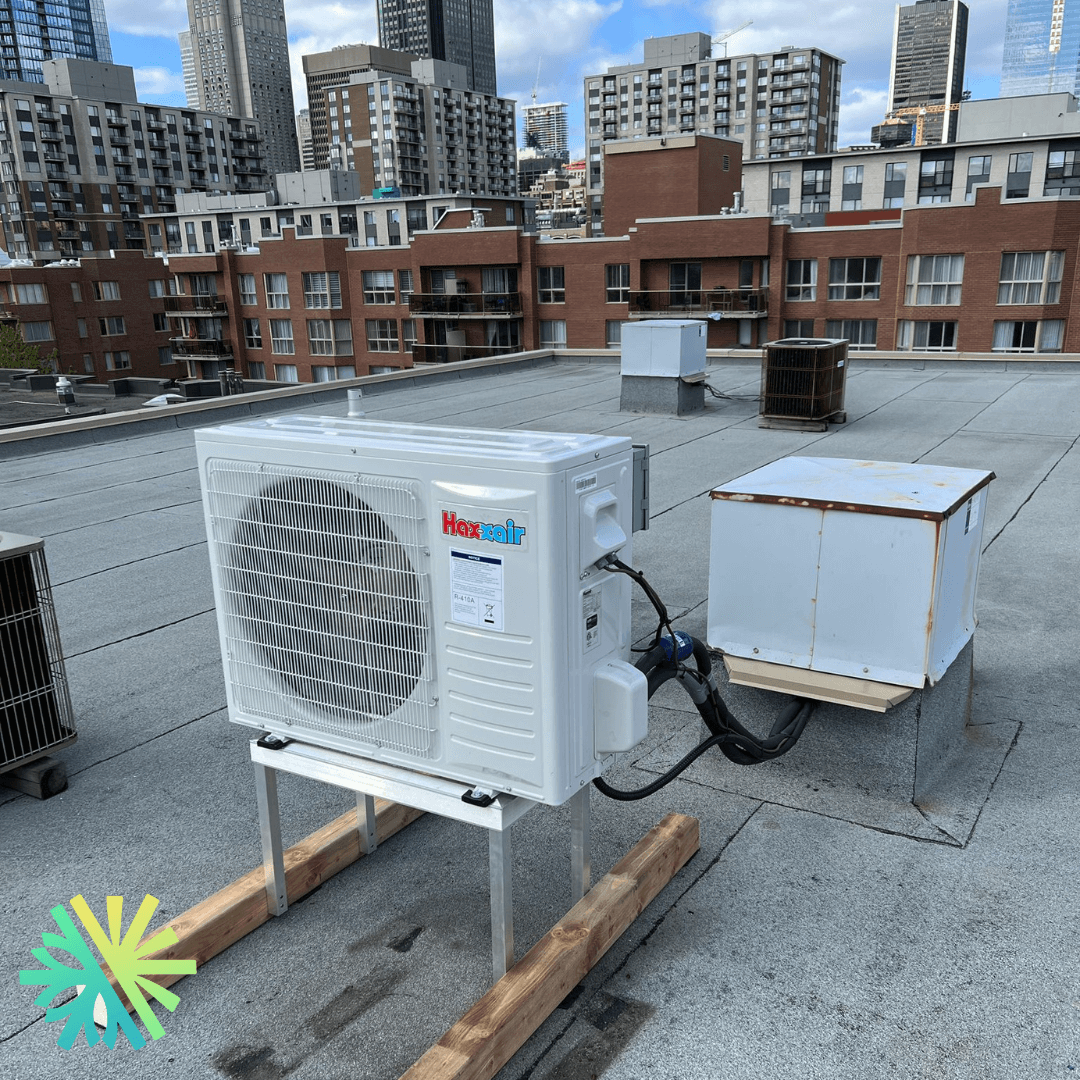
Installation of a Sharp wall-mounted heat pump on a condo roof in Ville-Marie
-
 AirGreen Climatisation & Chauffage Admin
Installation of a TRANE ProSpace PTAC in Sainte-Hélène-de-Bagot in a wall opening beneath a window
-
 AirGreen Climatisation & Chauffage Admin
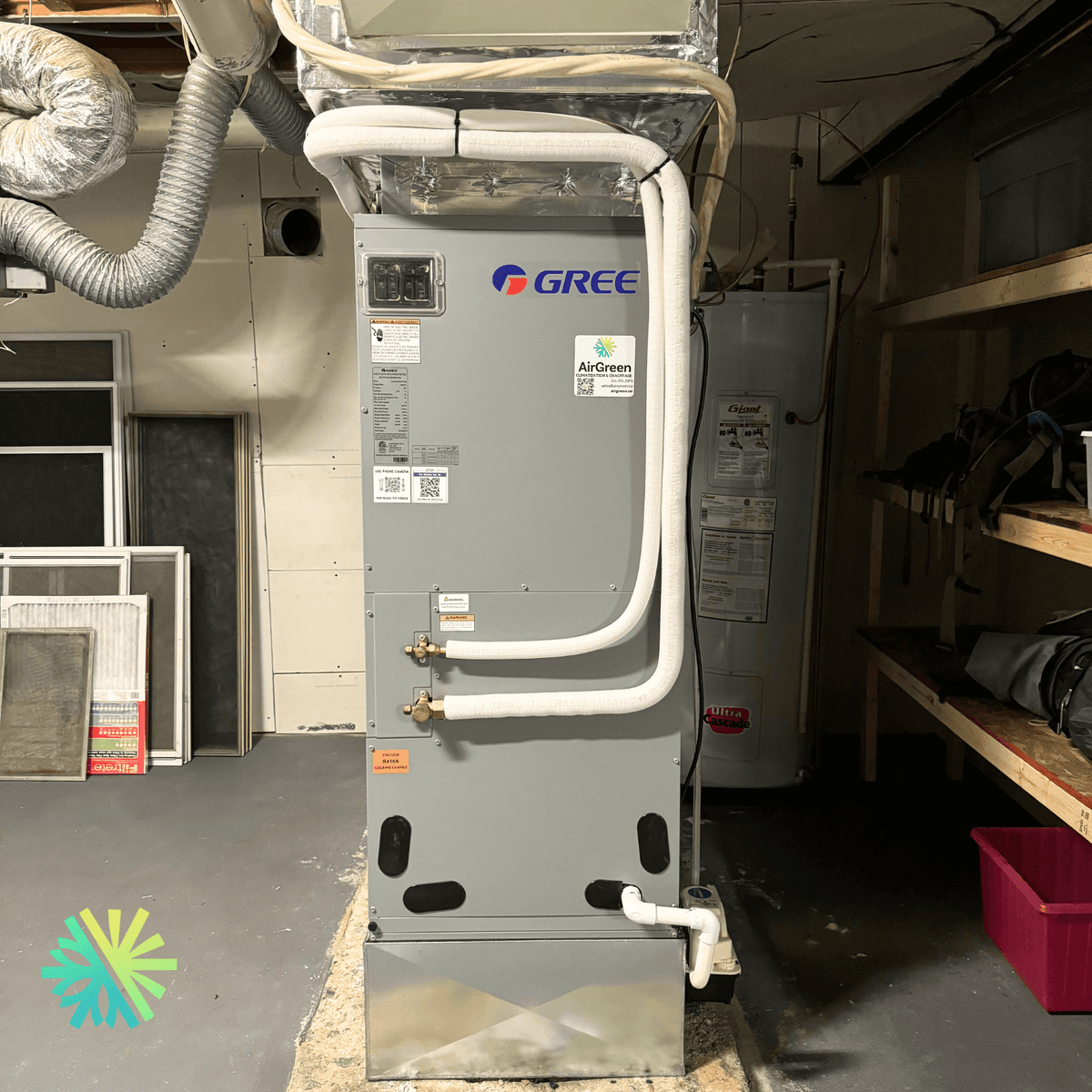
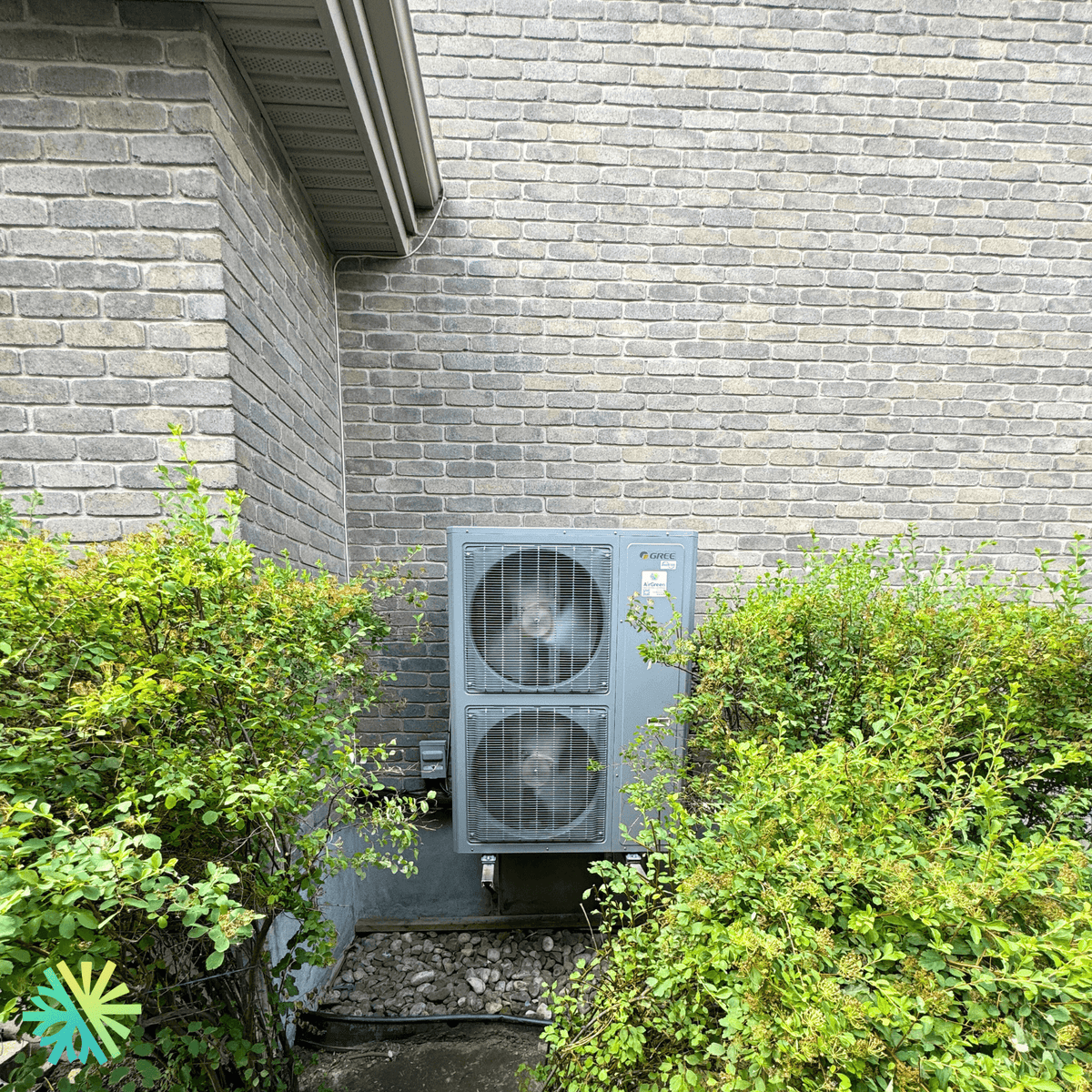
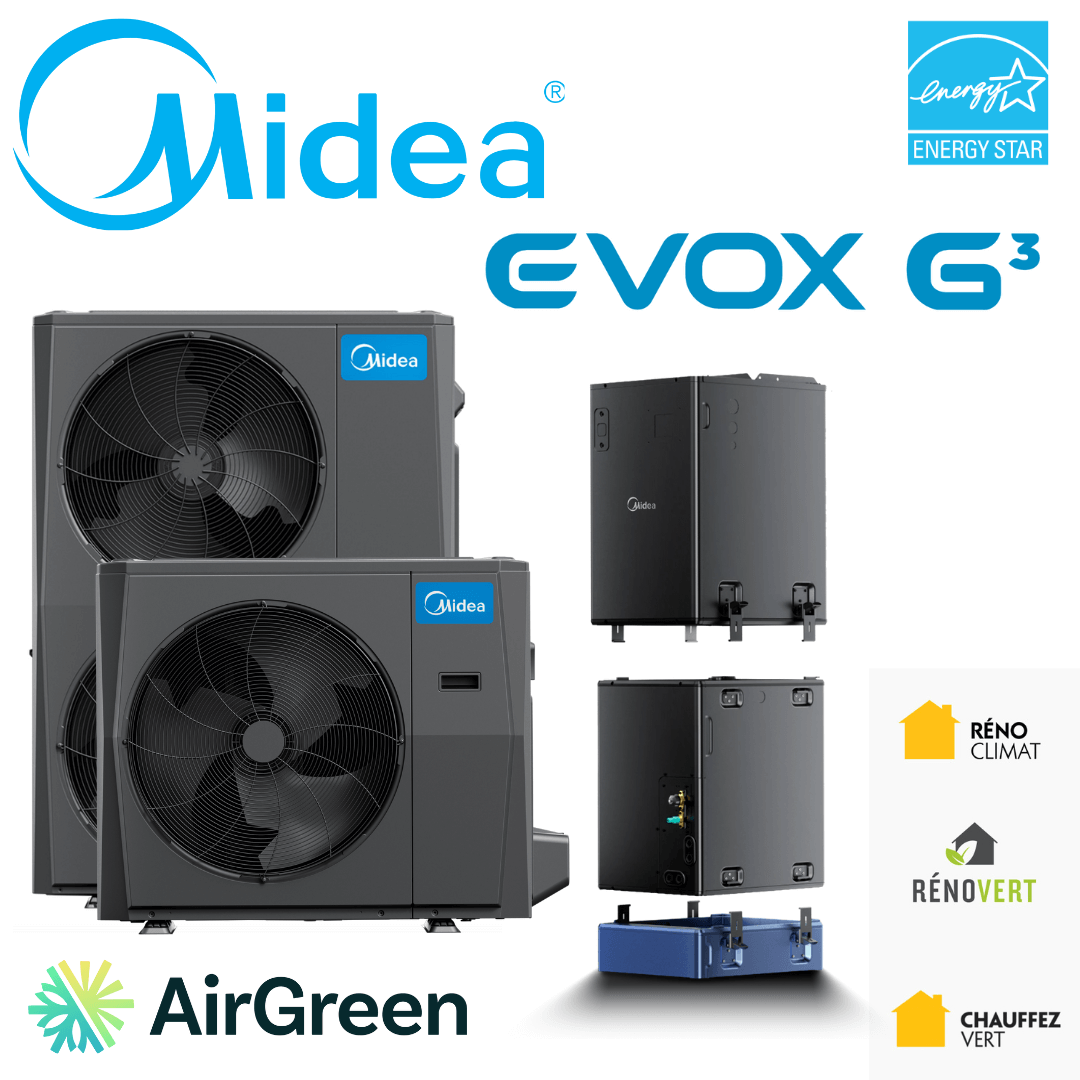
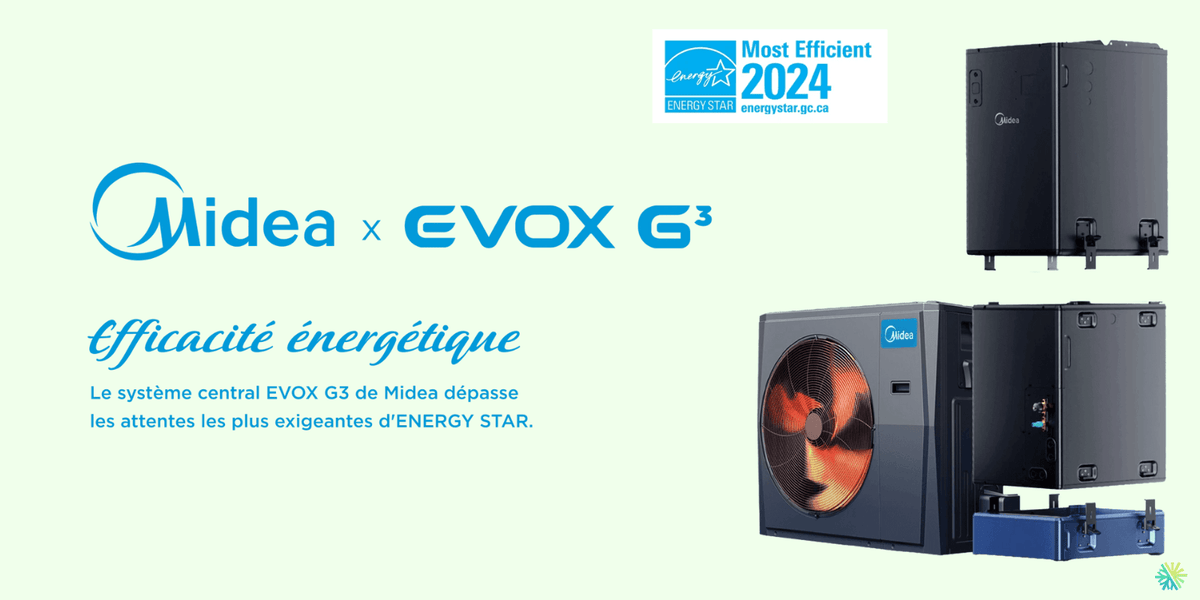
Installation of a MIDEA EVOX G3 central heat pump in Dollard-des-Ormeaux
-
 AirGreen Climatisation & Chauffage Admin
Installation of a Fujitsu AIRSTAGE Orion XLTH wall-mounted heat pump in Upton, Montérégie, by AirGreen
-
 AirGreen Climatisation & Chauffage Admin
Installation of a FUJITSU ORION XLTH+ wall-mounted heat pump in Saint-Jean-Baptiste: elevated outdoor unit near a terrace and heating down to -30 °C
-
 AirGreen Climatisation & Chauffage Admin
Installation of a MIDEA MIDEA35 wall-mounted heat pump in Hemmingford, Montérégie
-
 AirGreen Climatisation & Chauffage Admin
Installation of a GREE Free Match R32 three-head heat pump in Saint-Dominique
-
 AirGreen Climatisation & Chauffage Admin
Installation of a Fujitsu AIRSTAGE Altair 500 wall-mounted heat pump in Hemmingford with R-32 refrigerant and an elevated support bracket


