
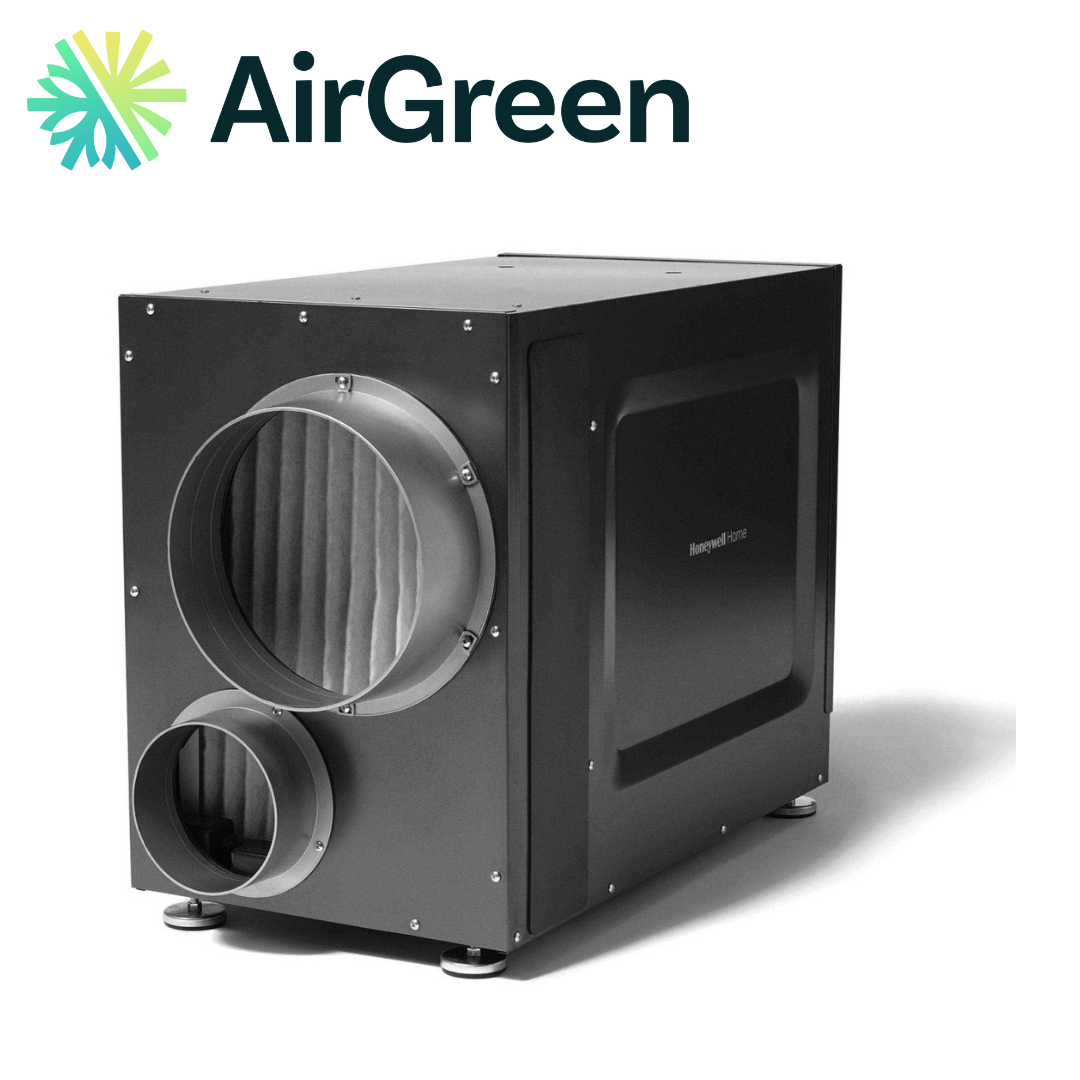
-
Added to comparison 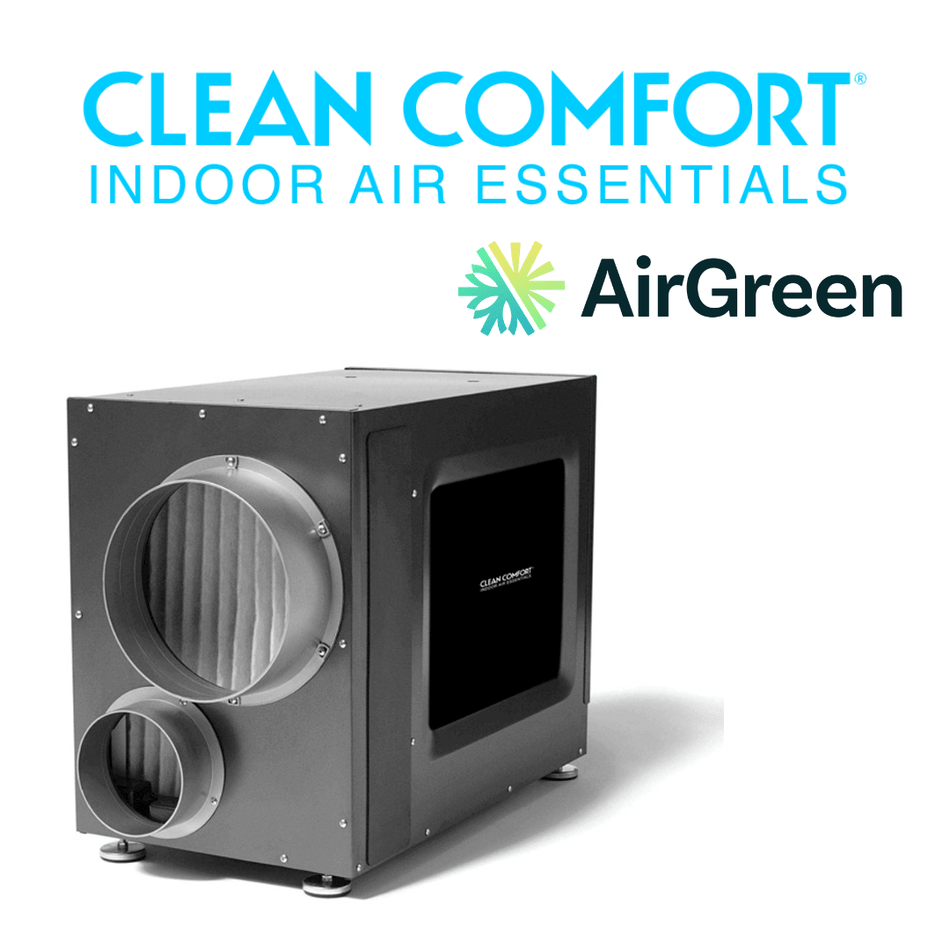

-
Added to comparison 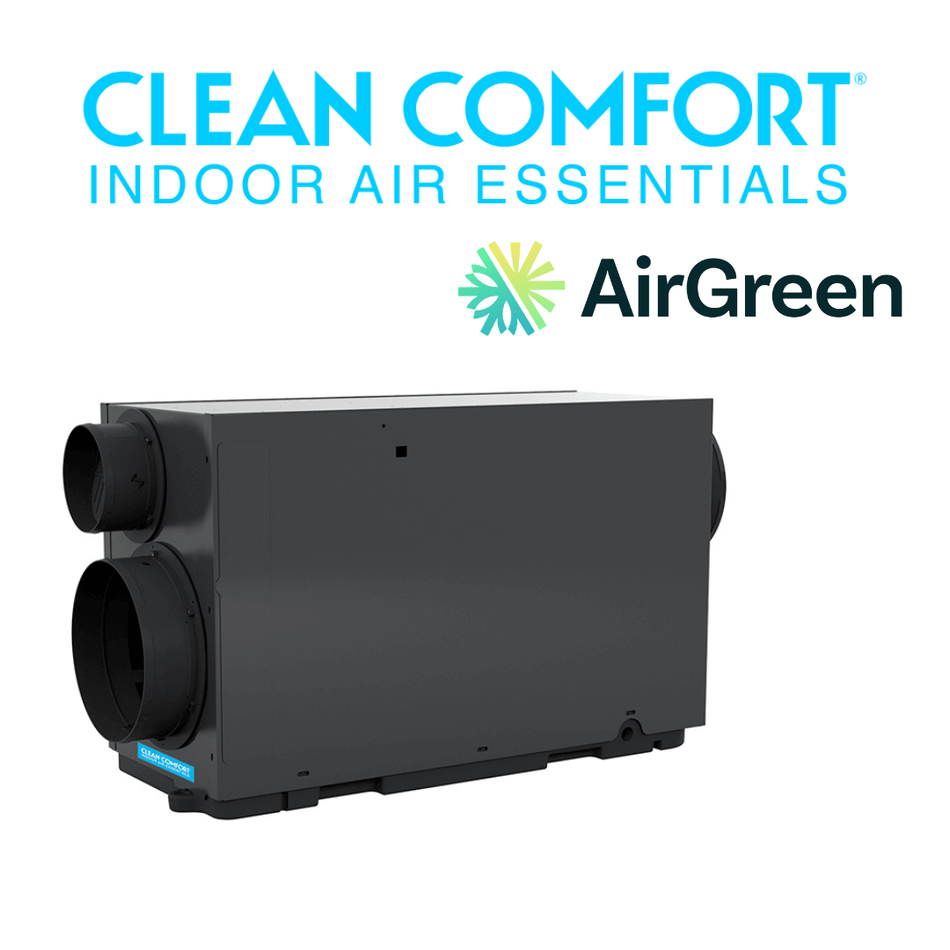

-
Added to comparison 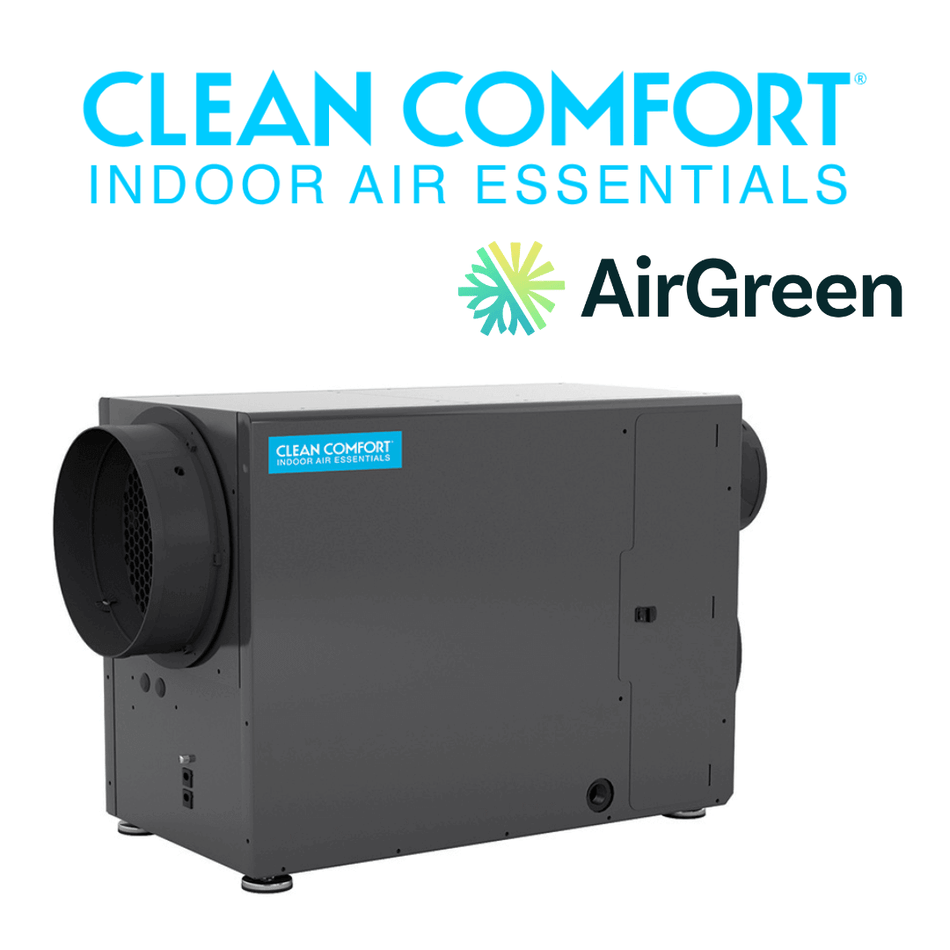

-
Added to comparison 

-
Added to comparison 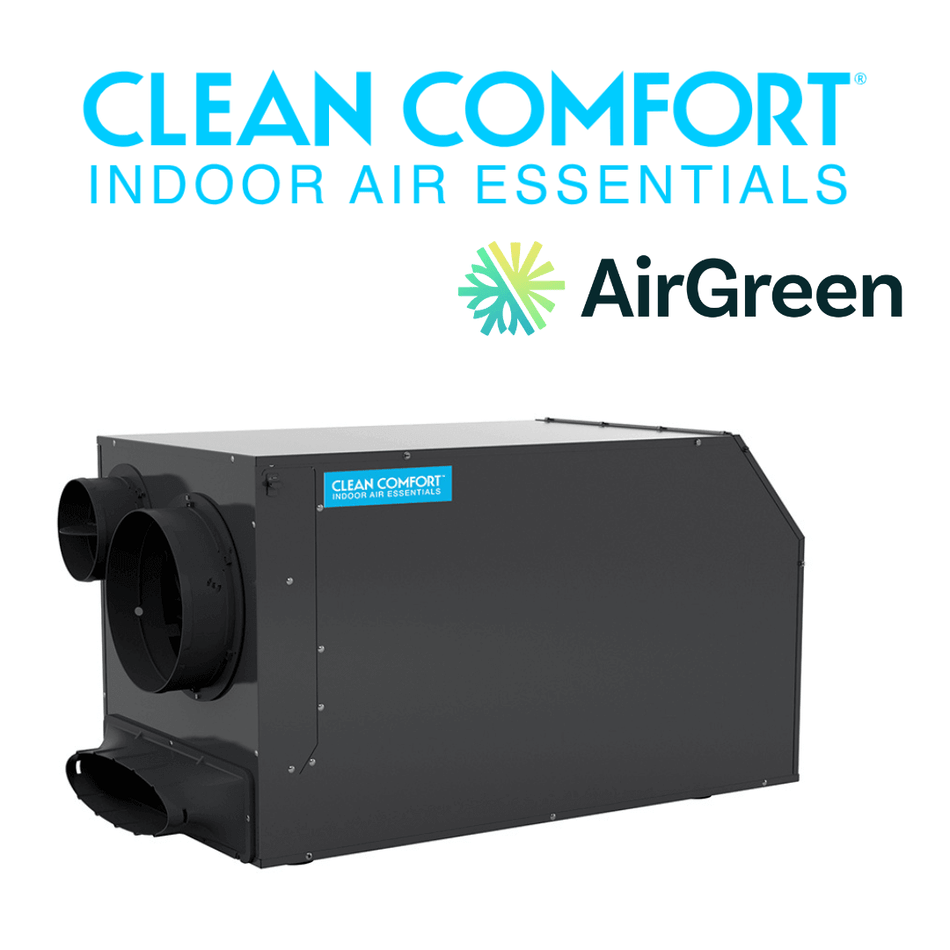

-
Added to comparison 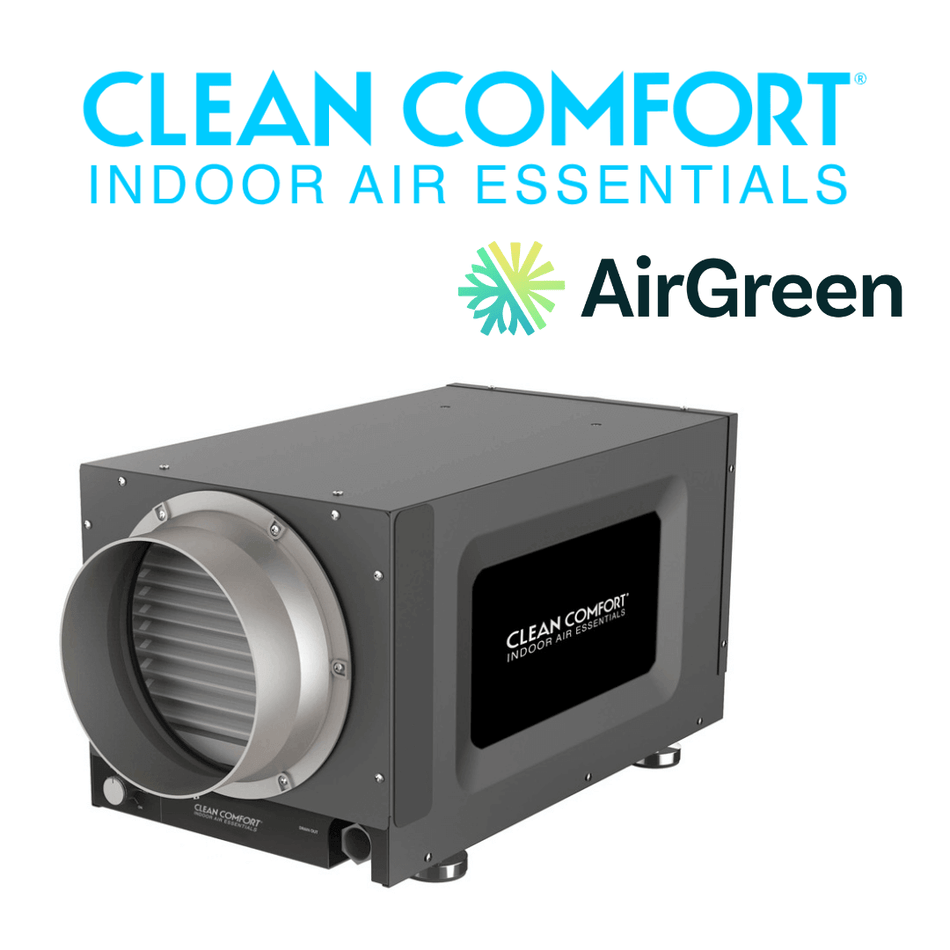

-
Added to comparison 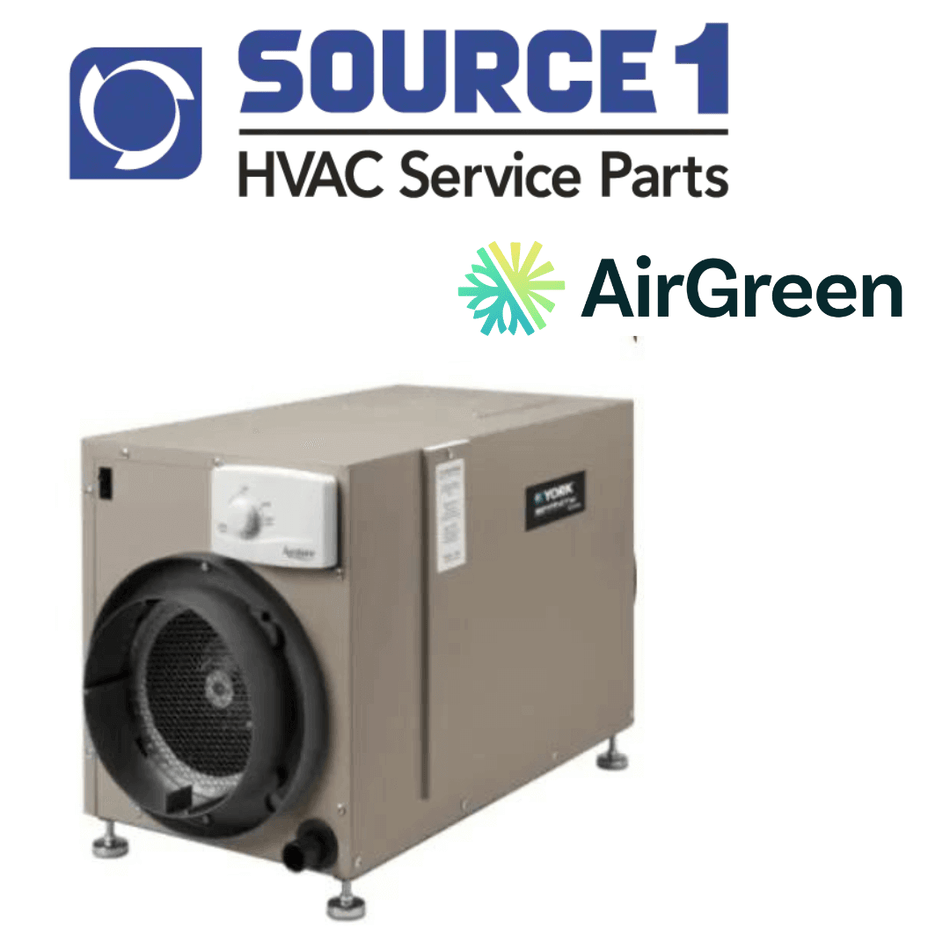
-
Added to comparison 

-
Added to comparison 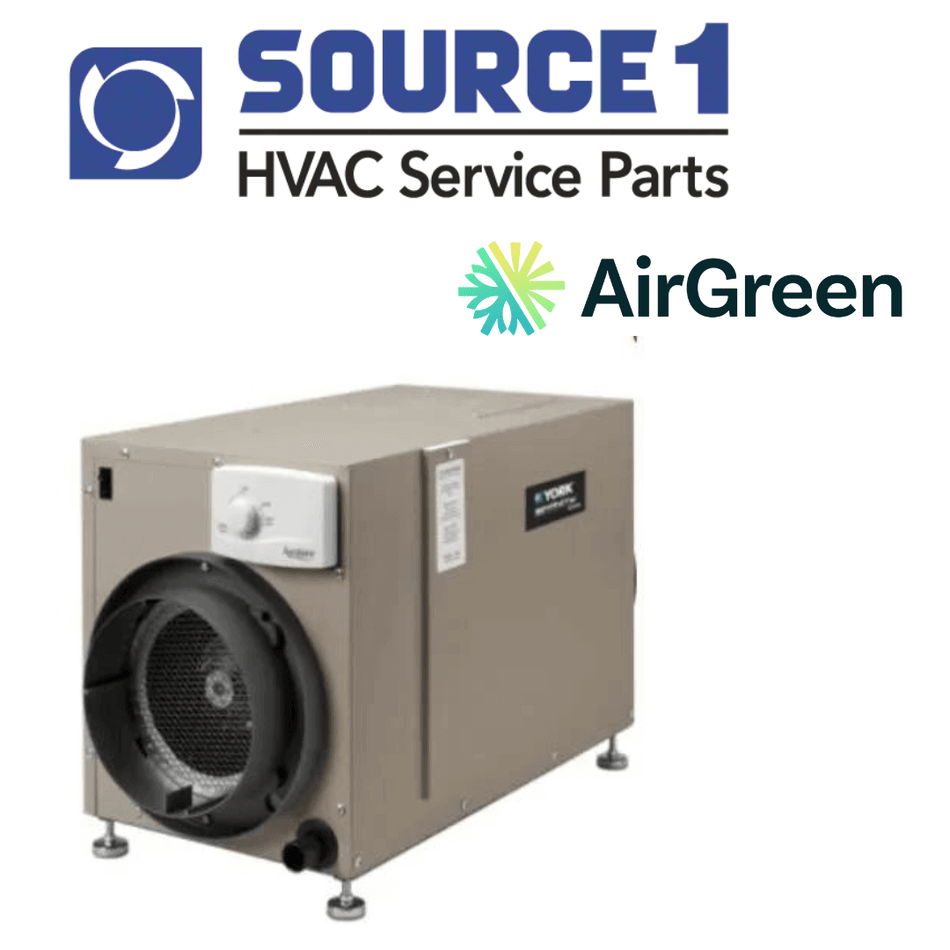
-
Added to comparison 

-
Added to comparison 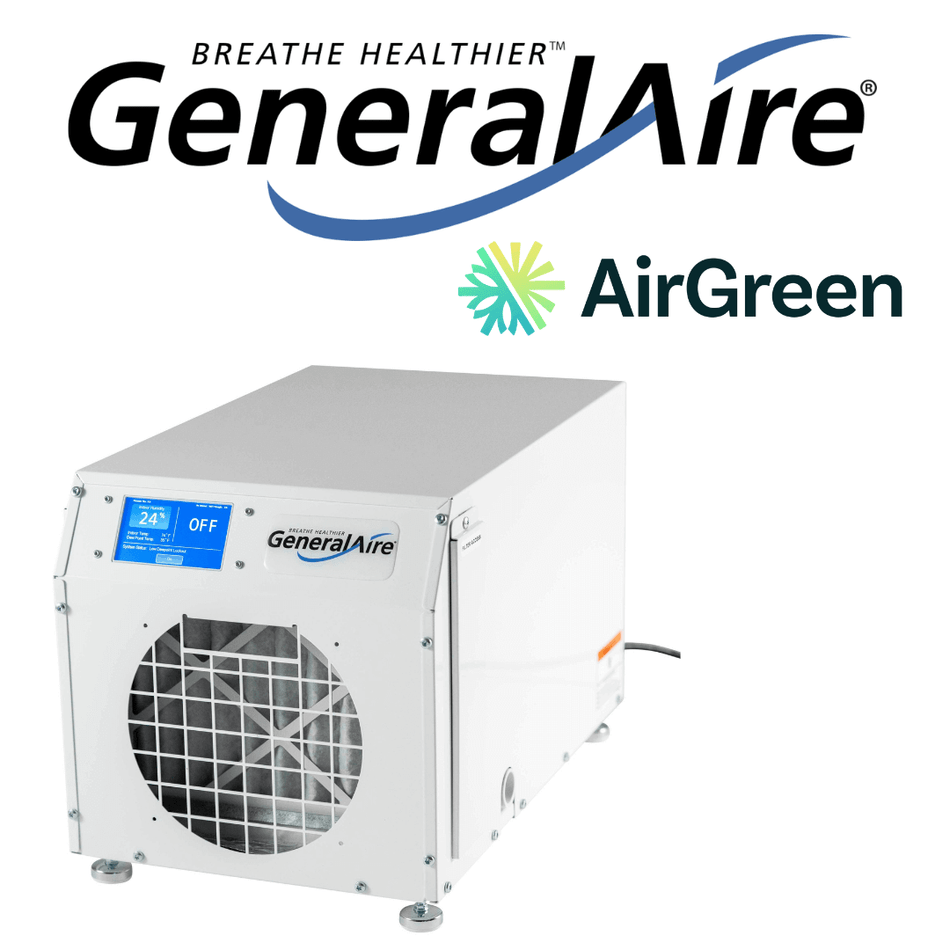
-
Added to comparison 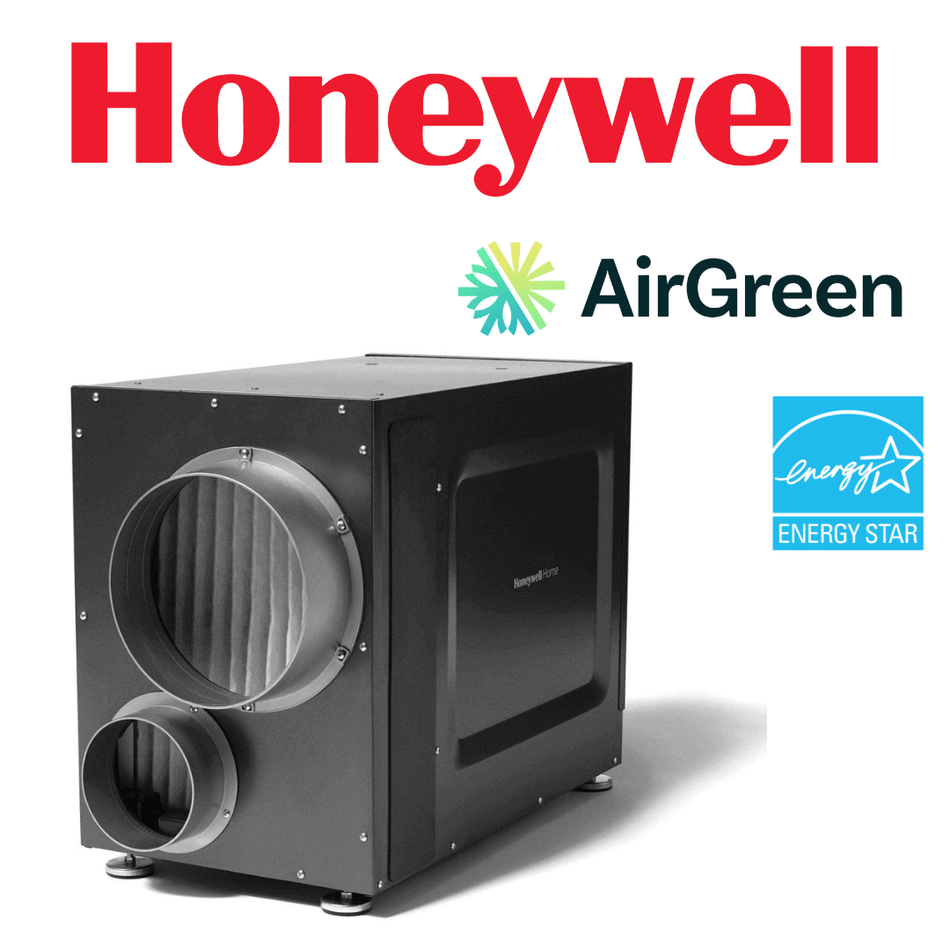

-
Added to comparison 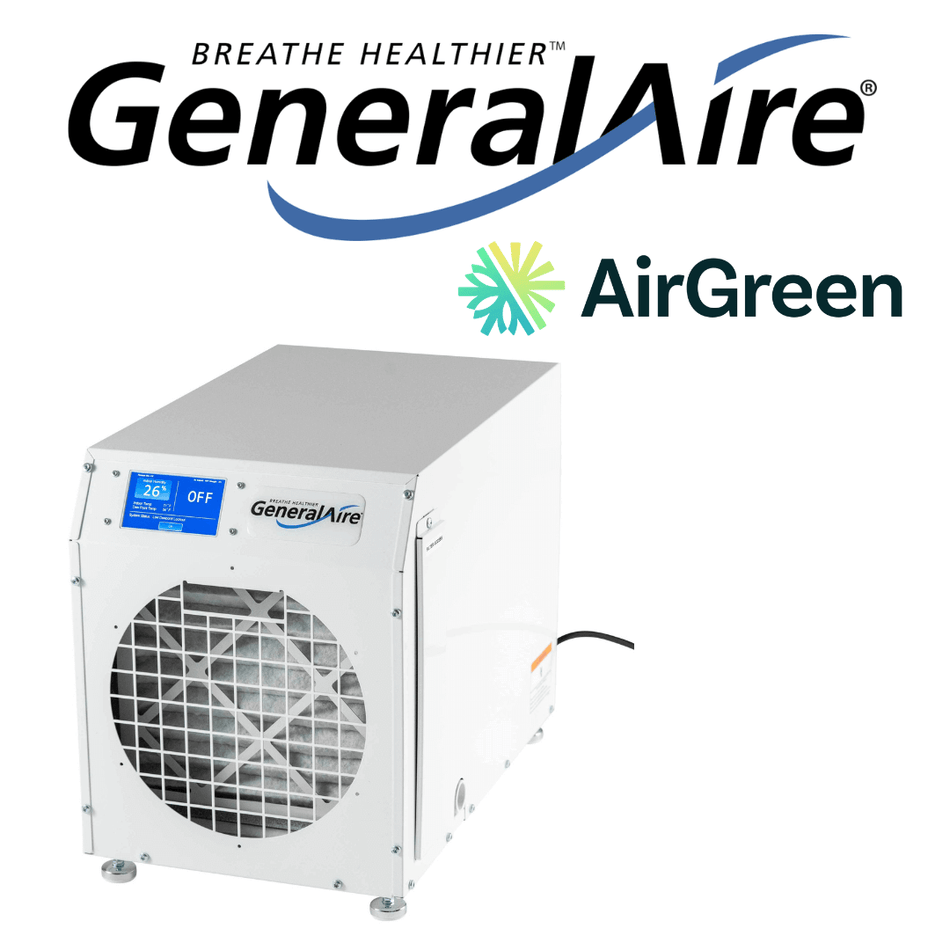
-
Added to comparison 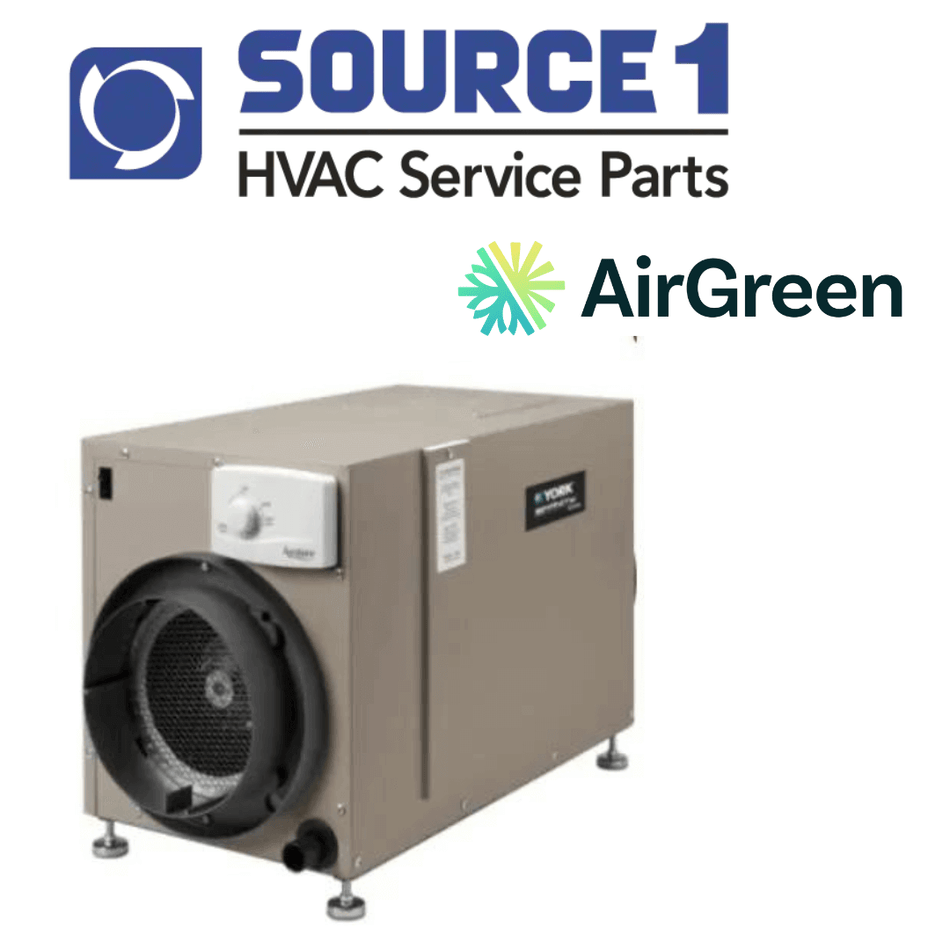
01 · Your basement, live
Slide the humidity: see what it does to your basement.
Then turn the dehumidifier on and watch the humidity fall back into the recommended range.
20 %Range 30 to 50%85 %
High humidity
The air stays very humid. Health Canada notes that mould comes from a moisture problem: control humidity and fix any leak quickly. That is exactly the job of a whole-house dehumidifier.
What you are likely to notice
A musty smellPossible
Condensation on the windowsLikely
Water marks or mouldWatch for it
02 · The right size for your home
Three questions, your size, the right models.
We place your need among our 14 units and show you the three that fit best. The result can go out with your quote request.
1 · The area to dry
2 · What you see in the basement
3 · What matters most
03 · The 14 units
All our whole-house dehumidifiers, with their product pages.
Filter by brand or voltage, tick “Compare”, or ask for a model’s price. Each product page shows the photo, the specs and the electricity cost.
04 · All 14 units in one table
Every figure, one line per unit.
Capacity at 80 and 60 °F, efficiency, airflow, ducts, warranty and electricity cost, taken from each manufacturer’s spec sheet.
14 units
Click a header to sort. “—”: the manufacturer does not publish this figure. Cost: 8 h a day, May to October, 11.142¢/kWh (Rate D, April 1, 2026), indicative estimate before tax.
Your three finalists, line by line
Tick “Compare” in the table: the last three you pick land here, and the best figure on each line is marked.
Clean ComfortDV120
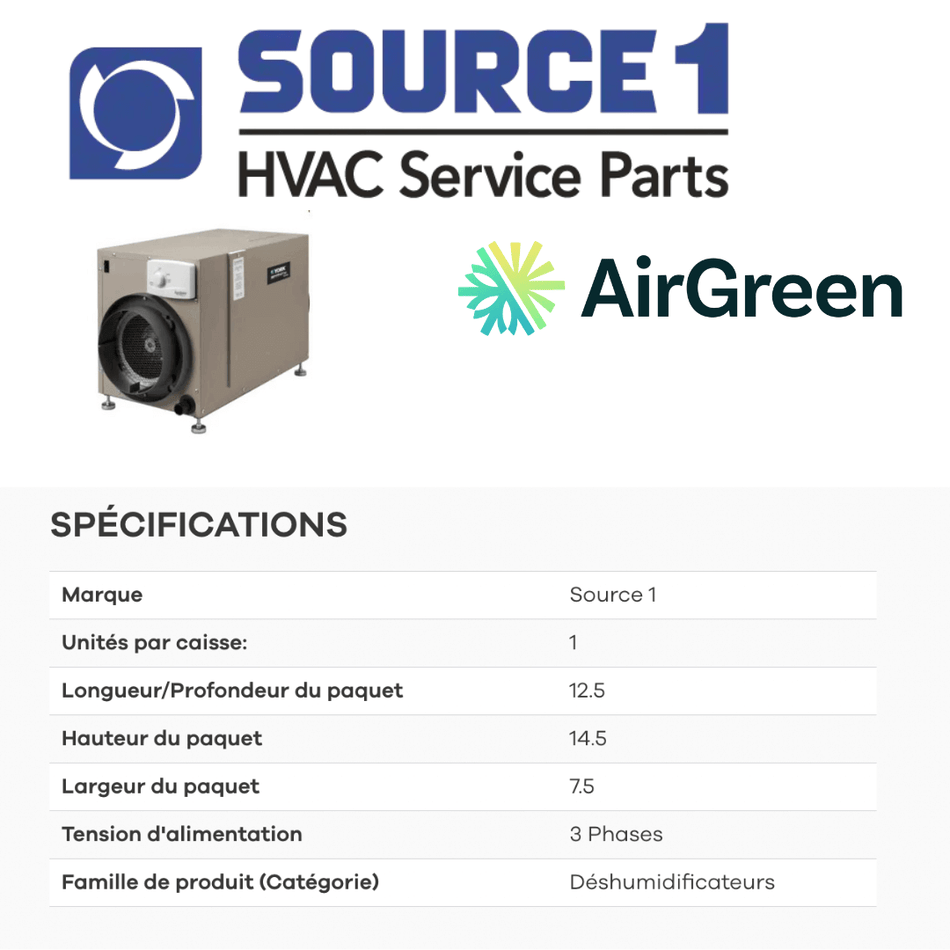
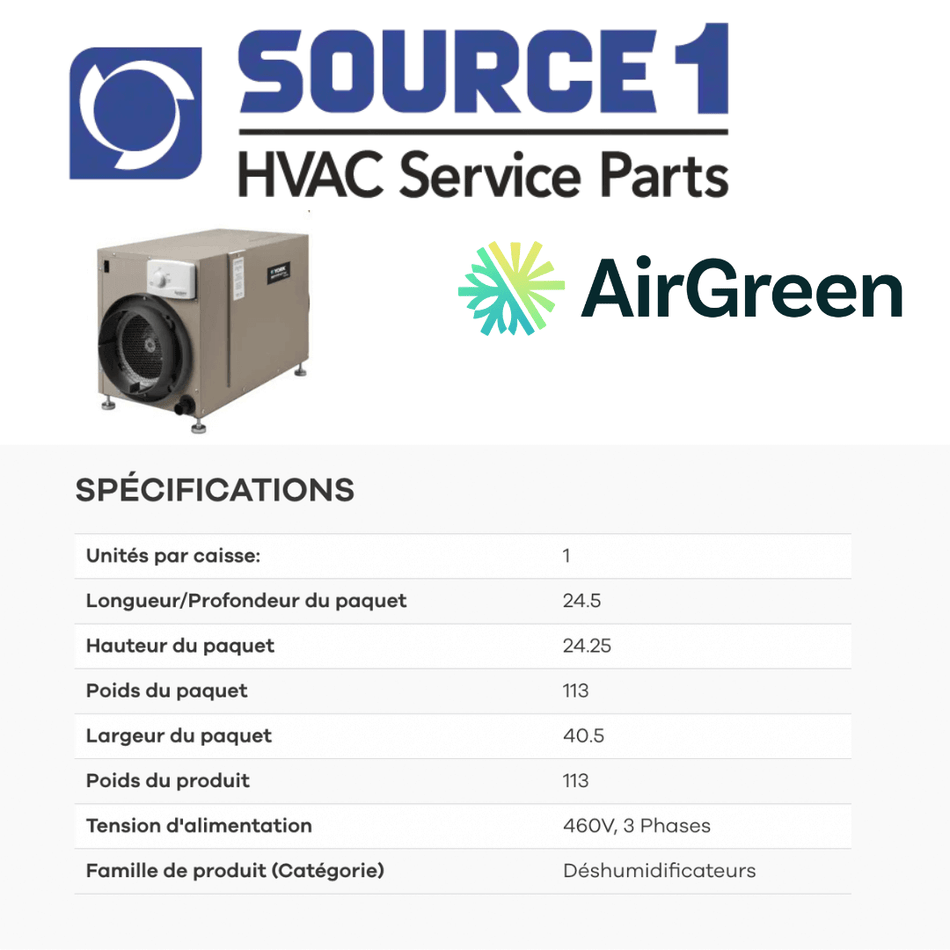
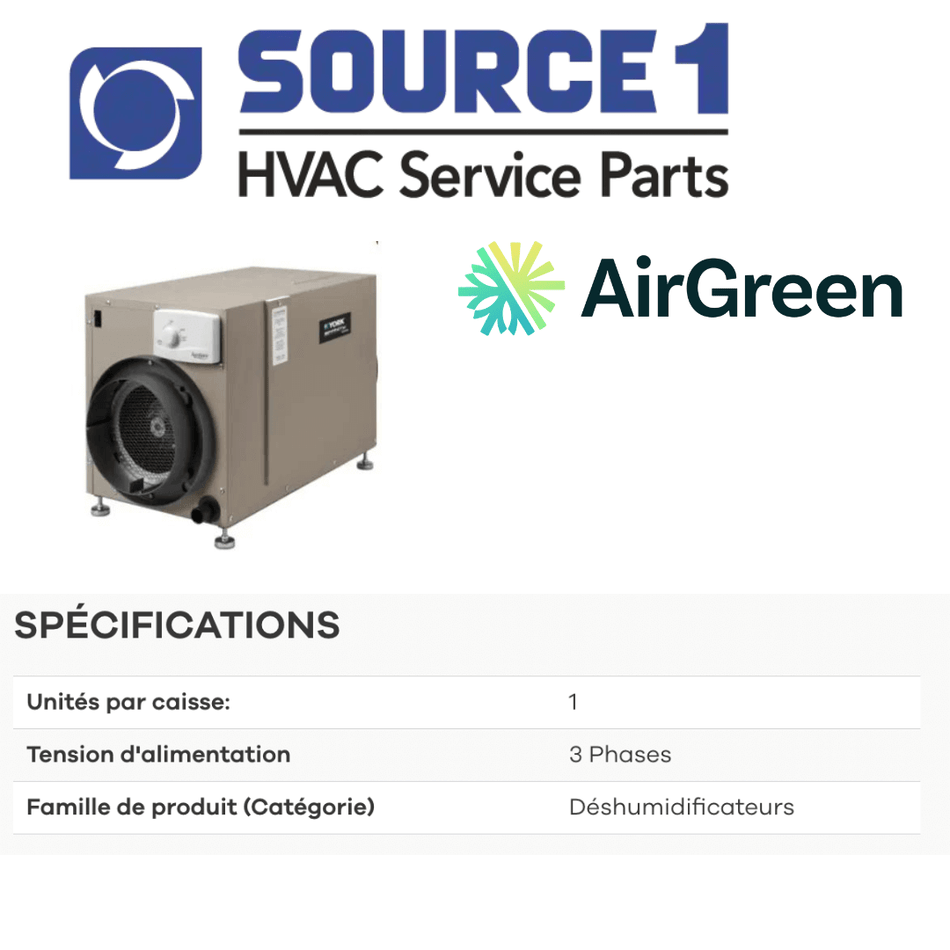
Source 1CVD130T01
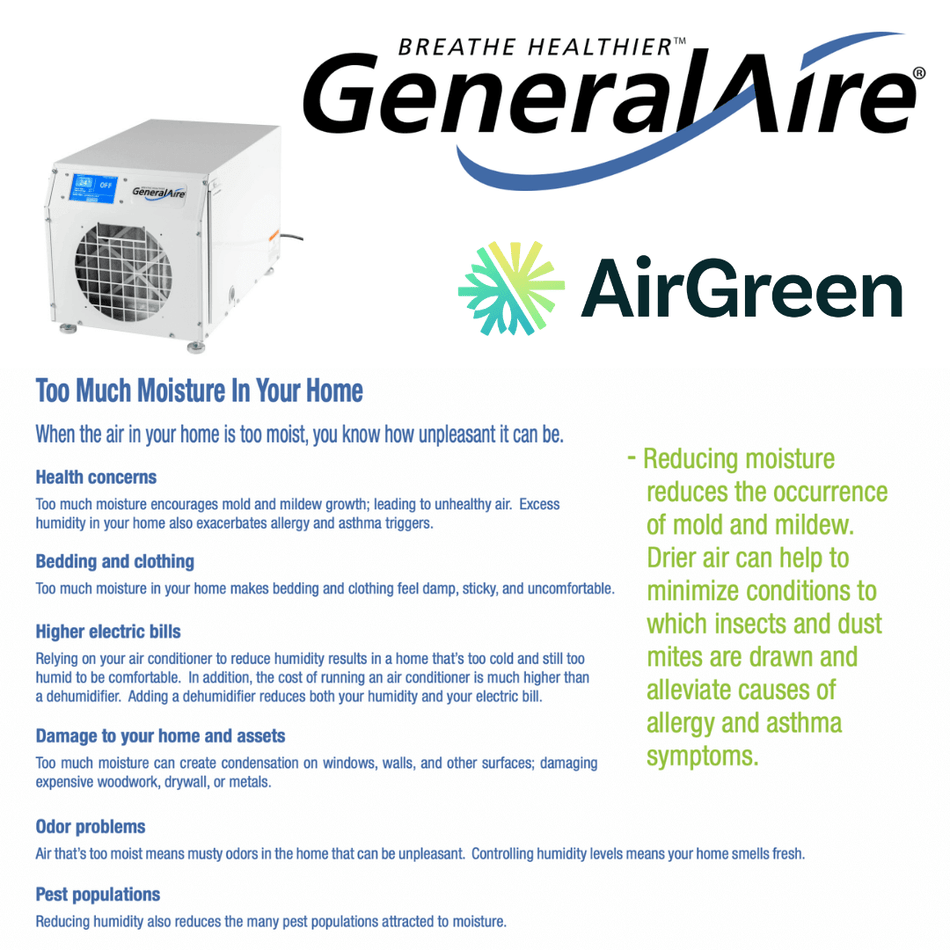
GeneralAireGF-DH100
Capacity at 80 °F
120 pints
130 pintsBest
100 pints
Capacity at 60 °F
63 pints
Not published
Not published
Efficiency
2.9 L/kWhBest
2.9 L/kWhBest
1.86 L/kWh
Calculated power
816 W
884 W
1,060 W
Cost per season
$134Best
$145
$174
Airflow
400 cfmBest
310 cfm
220 cfm
Ducts
10 in.
10 in.
10 in.
Parts warranty
6 yearsBest
5 years
5 years
Built-in control
Wall control
Yes
Yes
Fresh-air inlet
6 in.
6 in.
No
Published sound level
Not published
50 dBA
Not published
Weight
95 lb
113 lb
65 lb
The DV120 removes 56% more water per kWh than the GF-DH100. The most powerful of the three is the CVD130T01, with 130 pints a day at 80 °F.
Send this comparison with my request“Not published”: the manufacturer does not give this figure. Costs at 8 h a day, May to October, 11.142¢/kWh.
05 · How it works
A cold coil, a drain, and the water leaves the house.
The principle of an air conditioner, aimed at one job: taking water out of the air. In four steps.
Click a step to isolate it.
MERV 8 to 11filter, depending on the model
8 or 10 in.duct diameter
14 of 14models with continuous drainage
9 modelswith a 6 in. fresh-air inlet
Whole-house or portable?
According to Natural Resources Canada: a portable unit serves one room; a ducted model covers several rooms and is installed permanently.
06 · When the basement is cool
At 60 °F, a dehumidifier removes about half its rating.
Manufacturers rate at 80 °F. Your basement is often cooler: lower the thermometer and see what the spec sheets publish.
The air entering the unit
60 °F: a cool basement. Six spec sheets publish this point, and the units remove barely more than half their rating.
07 · What it costs to run
All 14 units, ranked by what they cost to run.
Slide the hours, change the period: the ranking redraws in front of you.
The period
1,000 W baseboard heater, same hours$164The orange line on each bar.
Power = litres a day at 80 °F ÷ litres per kWh, per each spec sheet. × hours × days × 11.142¢/kWh (Rate D, April 1, 2026). Indicative estimate before tax.
CVD080T01$92
DV070$94
DV065$95
DR65A3000$95
DV090$100
DR90A3000$100
DV098$109
GF-DH75$121
CVD100T01$124
DV120$134
DR120A3000$134
DV155$143
CVD130T01$145
GF-DH100$174
08 · Our 4 dehumidifier brands
Four brands in Greater Montréal. Each has its own character.
Tap a brand: what sets it apart, then each of its models, from smallest to largest.
Clean Comfort
The widest range: six sizes, from 65 to 155 pints.
The DV155 removes 3.5 L per kWh: the best efficiency in our whole catalogue.
6-year parts warranty on the DV065, DV090 and DV120.
Electrocoated coil against corrosion on the DV065, DV090 and DV120.
See all 6 models from Clean ComfortThe range, step by step · pints a day at 80 °FSee the DV120 product page
120pints a day at 80 °F
2.9litres per kWh
400cfm of airflow
6years of parts warranty
09 · A year in your basement
Each season brings a different humidity problem.
Pick a season, or play the year: the basement changes, the units take turns, the target moves.
What happens
Nights get cooler and the heating comes back on: the air slowly dries out. The dehumidifier works less and less.
Humidity to aim for30 to 50%
Natural Resources CanadaDehumidifierAs neededIt finishes the season, then rests.Air exchangerRunningIt takes the lead again with the cold.HumidifierGetting readyCheck it before the deep cold.
This season’s tip: replace or wash the filter depending on the model, and check that the water still drains.
The air exchanger: 256 models, 7 brandsIt renews the air all year round. An HRV does not remove humidity in summer; an ERV holds back part of it, without replacing a dehumidifier.Fantech 58Lifebreath 52Venmar 41vänEE 41GreenTek 30Broan-NuTone 26Direct Air 8See the air exchangersThe humidifier: 57 modelsIn winter, below 30%, you need the opposite. It is installed on the heating system.See the humidifiers
10 · Your plan in four answers
Answer for your home: the plan writes itself alongside.
The dehumidifier size, what you need for fresh air, and what to expect in winter. The plan goes out with your quote request.
1 · Your basement
2 · Its area
3 · What you notice
4 · Your ventilation
11 · True or false
Five myths about humidity. How many can you spot?
Answer, and the answer appears with its source.
0 / 5Answer all five statements.
Statement 1
“My air exchanger dries the basement in summer.”
Statement 2
“In a basement, you should aim for 60 to 70% humidity.”
Statement 3
“A dehumidifier removes as much water in a cool basement.”
Statement 4
“A slightly bigger unit beats one that is too small.”
Statement 5
“Some dehumidifiers can also bring in fresh air.”
12 · How the installation goes
From your call to a dry basement, in five steps.
Our technicians install under RBQ licence 5645-9605-01 (ventilation, refrigeration, electrical).
13 · Frequently asked questions
Search a word: the answer opens.
12 questions
Sources checked on September 30, 2026.
- Manufacturer spec sheets, read on September 22, 2026: Clean Comfort SS-DV065 (10/20), SS-DV070 (2/14), SS-DV090 (10/20), SS-DV098 (10/15), SS-DV120 (10/20), SS-DV155 (2/14); Resideo 33-00328, 33-00329, 33-00330 (rev. 01-24); GeneralAire DH75 and DH100 (12-2021); Johnson Controls 5146807-UTG-B-1116; AprilAire E080 and E100.
- U.S. DOE certification database (CCMS), checked on September 22, 2026: Source 1 CVD080T01, CVD100T01 and CVD130T01 listed under the AprilAire E080, E100 and E130 basic models.
- Hydro-Québec, Electricity Rates effective April 1, 2026, Rate D: 7.065¢/kWh up to 40 kWh a day, 11.142¢/kWh above.
- Natural Resources Canada, “Choosing the right dehumidifier”, modified June 10, 2025.
- INSPQ, fungal contamination tool, appendix 6 “Recommended relative humidity ranges” (2016), citing CMHC and Health Canada.
- Écohabitation, “Le ventilateur récupérateur d’énergie (VRE)” (in French).
Capacities, efficiencies and costs shown: manufacturer figures and indicative estimates before tax. The final size is confirmed by a technician on site.